Air Force Museum
Double MiG Ace and POW
Harold Fischer had great success as a fighter pilot in Korea, and he also endured captivity in communist China long after the end of hostilities. On his first tour in Korea, Fischer flew ground attack missions in F-80s in the 8th Fighter Bomber Wing. He stayed in the Far East and transferred to the Sabre-equipped 51st Fighter-Interceptor Wing.
In depth
History & service
Fischer scored his first MiG-15 kill on Nov. 26, 1952. He increased his tally through February 1953, including one day in which he shot down two MiGs. He scored his 10th and last MiG victory on March 21, 1953.
During a mission on April 7, 1953, Fischer's engine caught fire -- he was either fired on by another MiG or his engine ingested pieces coming off the MiG he was shooting at. Fischer ejected and was captured by Chinese soldiers.
Instead of placing Fischer in a North Korean POW camp, the Chinese held him in Manchuria. While there, Fischer was tortured and kept in solitary confinement. He managed to escape, but was recaptured. The Chinese did not release Fischer until May 31, 1955, nearly two years after hostilities had ended (and North Korea had returned those it had held as POWs).
Performance was only part of the contest
A fighter's speed, climb, range, visibility, and armament shaped what it could do, but those qualities did not act alone. Training, tactics, warning systems, maintenance, fuel, and the condition of the airfield influenced every encounter. The aircraft that looks best in a table might be at a disadvantage at the wrong altitude, carrying the wrong load, or arriving with too little fuel to remain in the fight.
Escort missions demonstrate the importance of purpose. A fighter defending bombers had responsibilities beyond pursuing an opponent. It needed sufficient range, a useful position, and the discipline to remain with the force it protected. Ground attack imposed different demands, including visibility, endurance near the target, and the ability to survive damage from below.
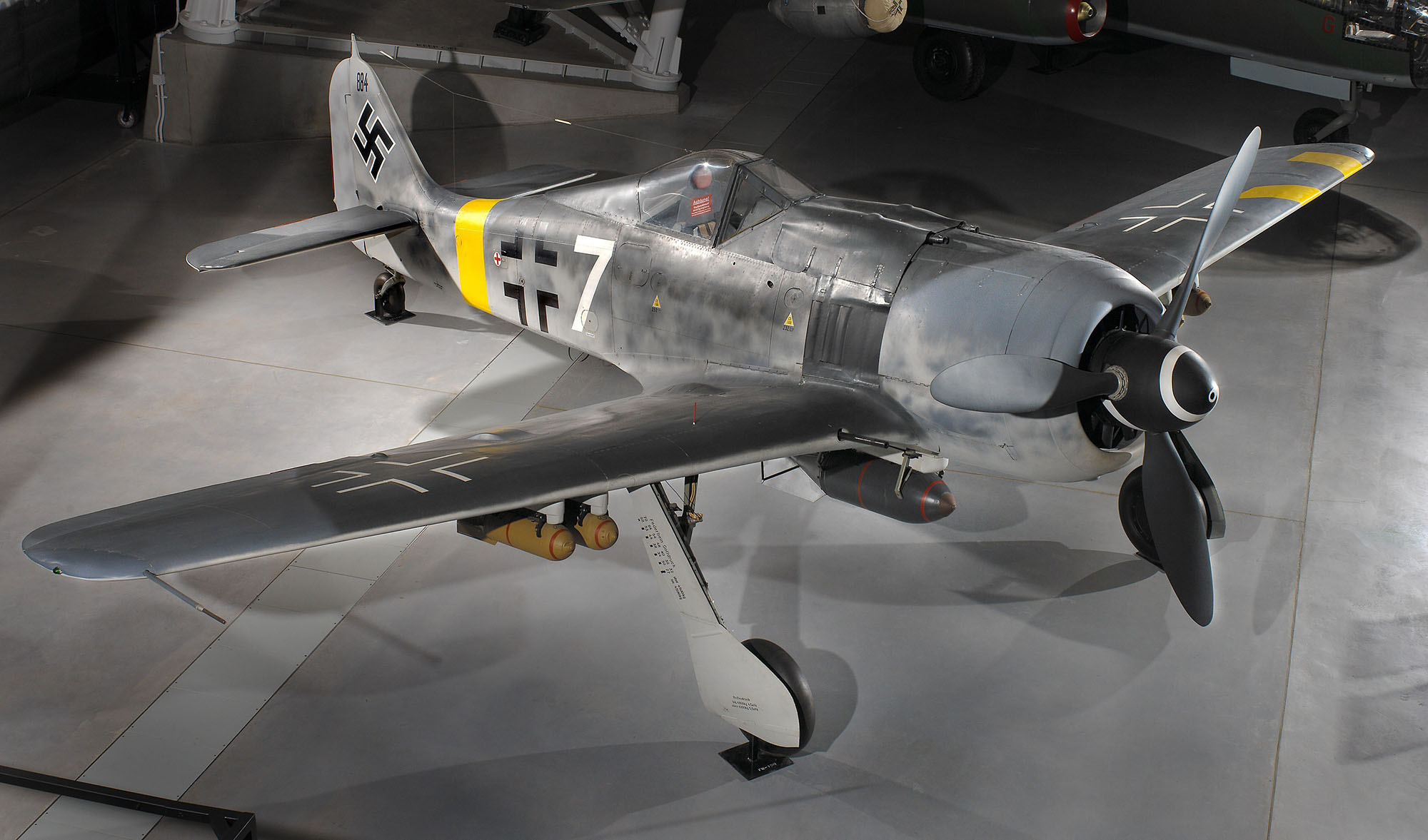
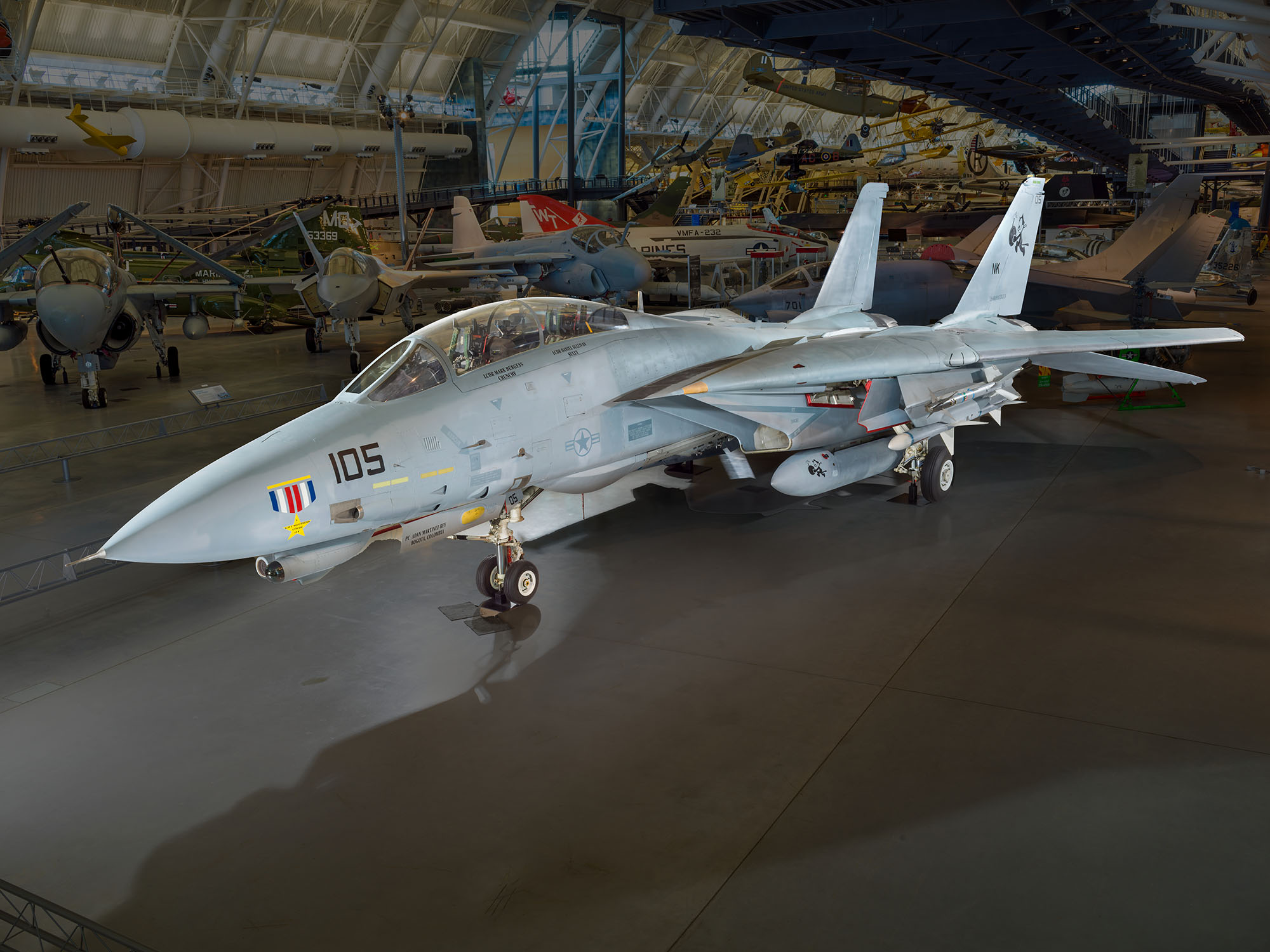
Comparing aircraft across museums is most rewarding when the mission remains in view. An early pursuit biplane, a wartime piston fighter, and a Cold War jet represent different technologies, but all were part of a larger operational system. Personal accounts reveal how pilots worked within those limits. They also show why claims of individual success need context: weather, surprise, teamwork, and opportunities created by others shaped the outcome. The aircraft provides the physical evidence; the surrounding stories explain how people used it and what that use cost.