XR · Multimodal AI · Instructional design

Museums you can enter from anywhere.

Loren Ybarrondo combines immersive imaging, extended reality, modern AI, and instructional design to turn museums, historic places, and public collections into learning experiences people can enter—not simply view.

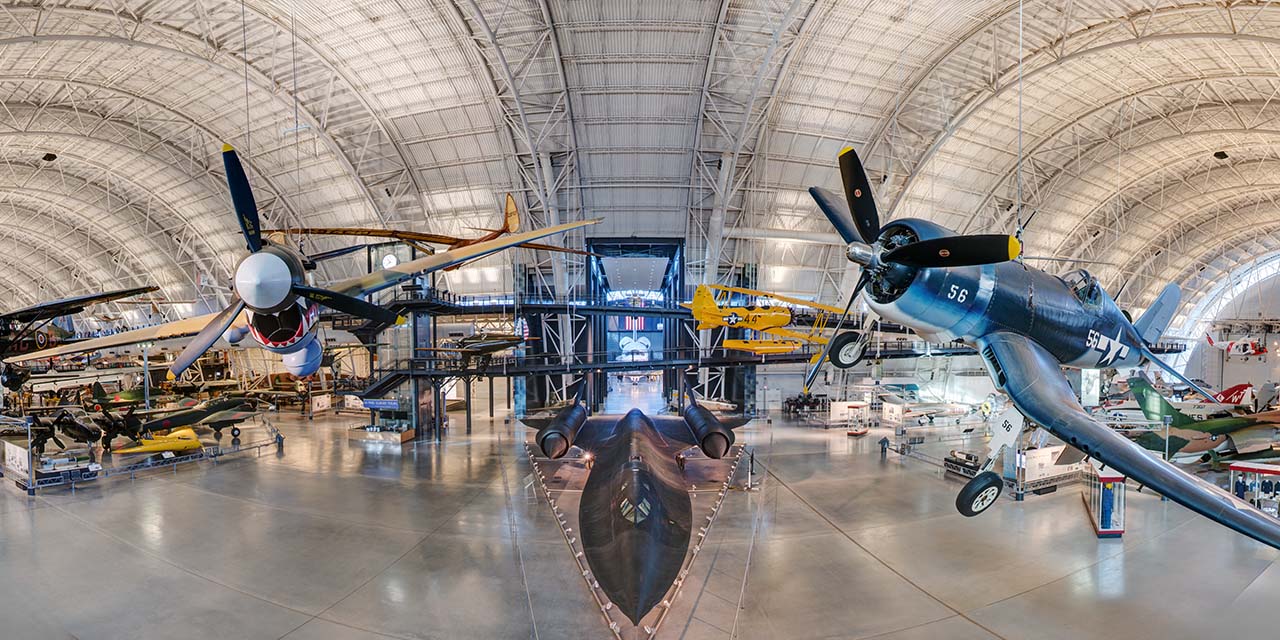
Historic aircraft displayed throughout the Steven F. Udvar-Hazy Center
Featured experienceSteven F. Udvar-Hazy CenterView case study
20+years creating immersive experiences
AI + XRone production system for modern learning
Accessbuilt in from the beginning

Trusted with places of national significance

Smithsonian InstitutionNational Museum of the U.S. Air ForceThe Metropolitan Museum of ArtSupreme Court of the United States

Public value / future learning

Public investment should keep teaching.

Museums and public agencies commission ambitious digital work, often at substantial cost. Fiscal years end, programs change, and hosting disappears—but the educational value does not. Important work should remain usable, searchable, and available to the public that paid for it.

Modern multimodal AI changes the production equation. A small, expert team can turn well-sourced material into narration, accessible transcripts, visual interpretation, teacher resources, translations, and new learning paths—then update them as knowledge and standards evolve.

Enter the working learning system
Enter the placeHear the storyPractice discoveryMeasure learning

A connected museum without walls

One air and space story, across institutions.

Loren is integrating independently hosted aviation experiences so visitors can follow an object, event, or technology across the Smithsonian and the National Museum of the United States Air Force as one continuous digital journey.

Example journey: compare the aircraft central to the atomic missions over Japan, then move from an exterior view of Discovery directly into a shuttle trainer—without leaving the experience.

The next visitor economy

Immersive media becomes useful when it helps people go somewhere.

Modern 360° cameras can document an entire place and create reframed video for social publishing from the same capture. Loren’s tourism prototypes take the next step: connecting that imagery to maps, history, audio, businesses, and an actual visit—from an entire state to a world museum or a desert landscape.

Explore in 360°Hear the placeBuild a routeVisit in person

Selected work / 01—15

The best virtual experiences make you feel present.

Each project starts with the place and the story—not a template. The result is a custom digital experience with its own rhythm, interface, and reason to keep exploring.

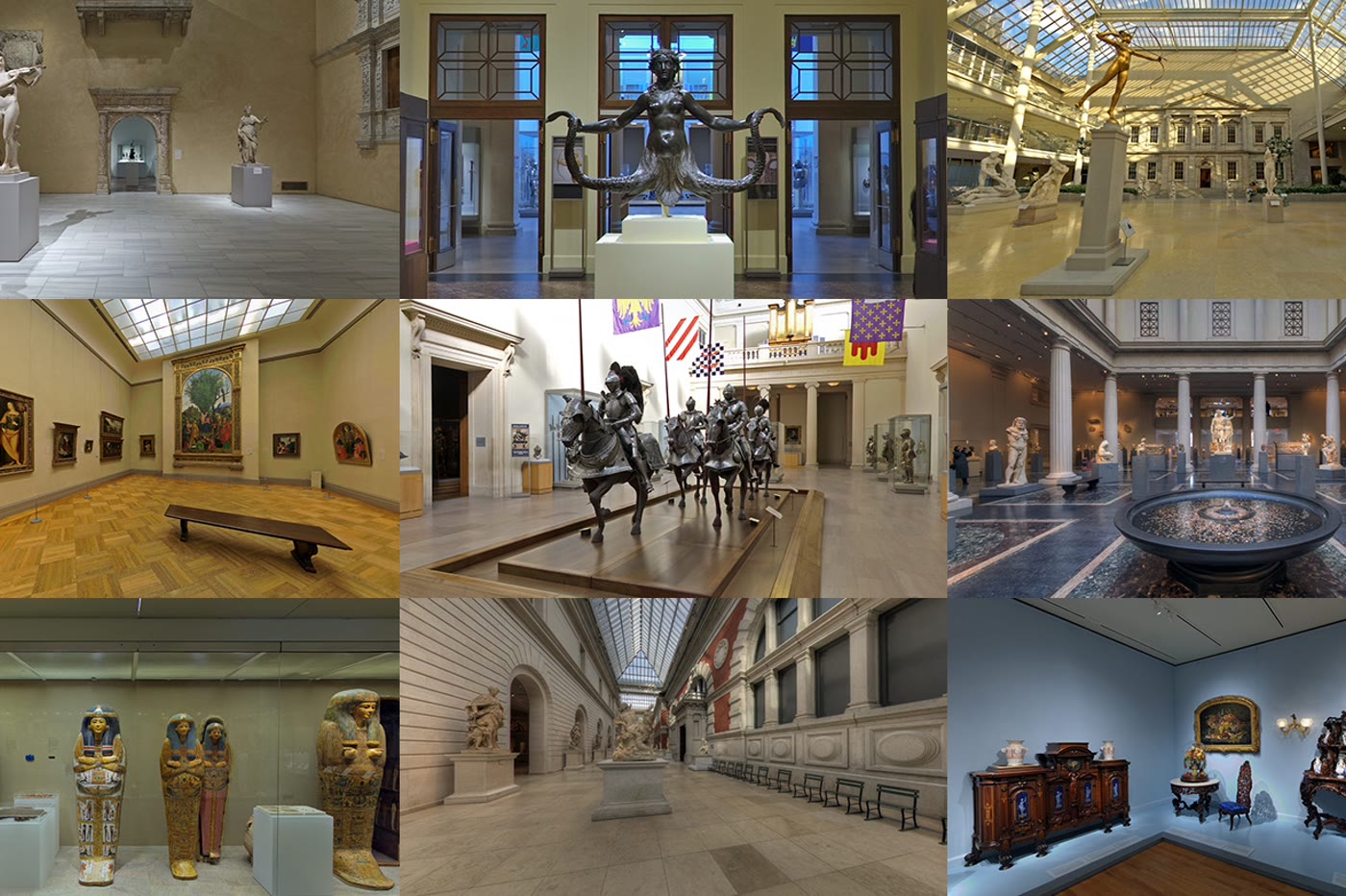
A collage of empty galleries photographed after hours at The Metropolitan Museum of Art12

The Metropolitan Museum of Art / After-hours museum imaging + audio prototype

Independent portfolio prototype · audio edition in development

The Met

After-hours panoramic photography reimagined as a room-by-room, audio-led journey through 5,000 years of art and architecture.

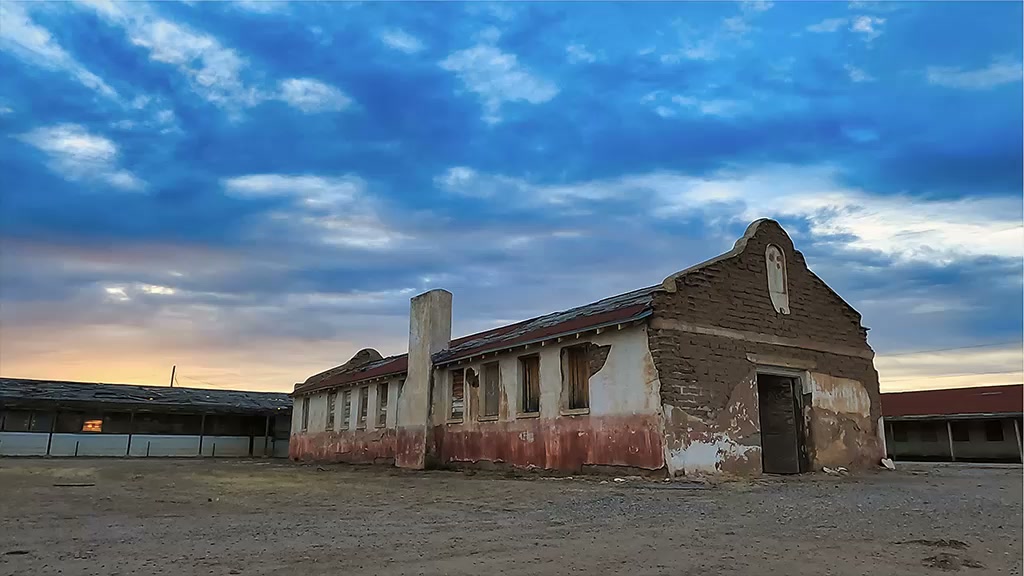
Warm evening light across the rippled dunes of the Mojave Desert13

Independent landscape archive / Immersive destination photography

Independent landscape archive · tourism edition planned

Deserts

A panoramic journey through desert parks, geology, roads, sculpture, and changing light across the American West.

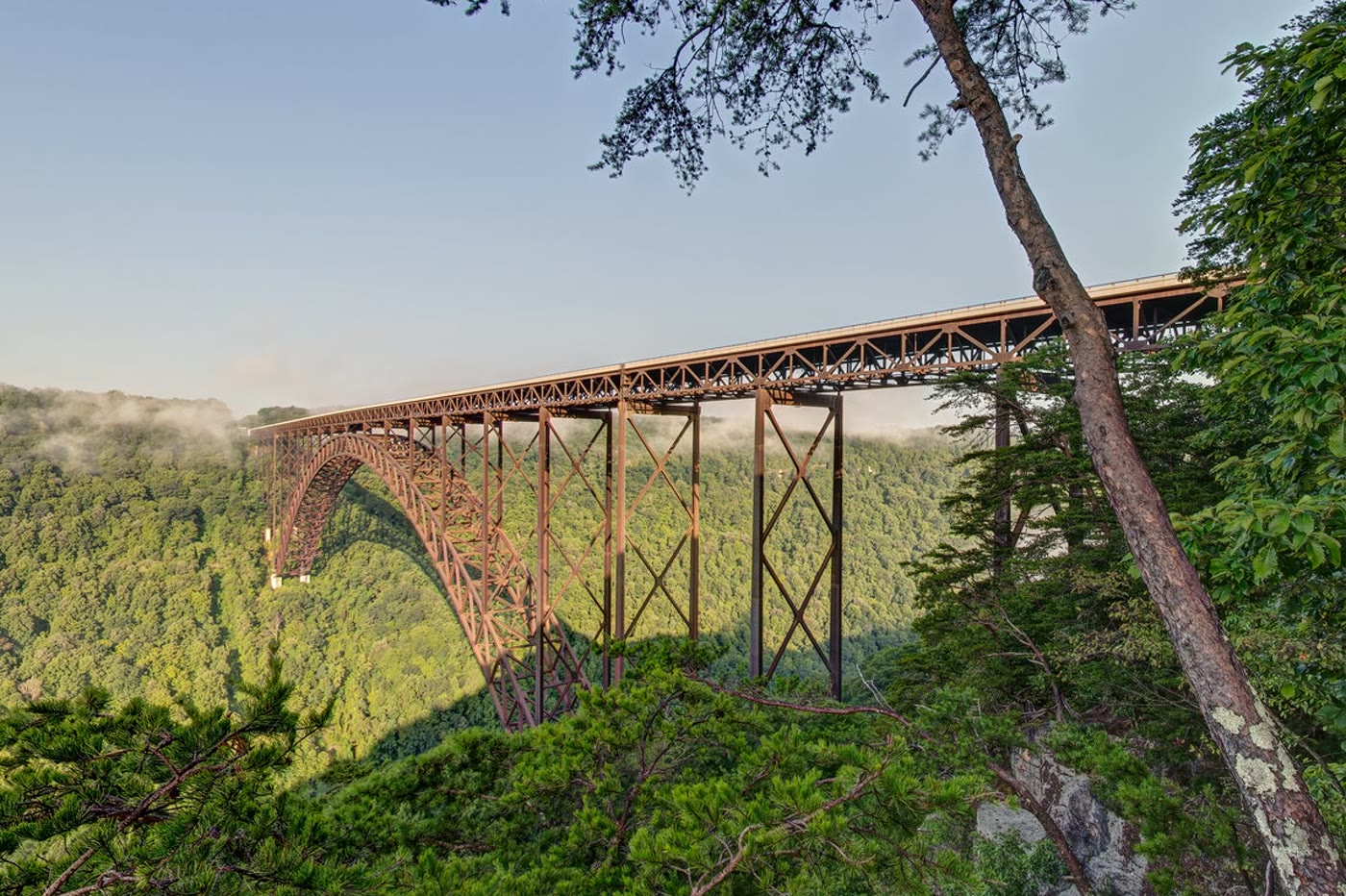
Interactive panoramic view inside the marble halls of the Supreme Court of the United StatesArchive / next redesign

A foundation worth renewing

The Supreme Court, ready for its next chapter.

Commissioned in 2018 and viewed by millions, the original experience opened the Court’s marble interiors to the public. The next step is an elegant, accessible redesign informed by the restrained storytelling system created for How Can You Forget Me?

Preservation as public service

Public work should stay public.

Several experiences in this portfolio were originally commissioned and publicly funded, then retired or left unsupported when programs and budgets changed. Loren preserves them independently as portfolio archives, public-history resources, and foundations for new educational work.

Each project is identified by its current status. Institutional names and marks document the original commission; they do not imply current sponsorship of this independent archive.

A complete practice / not just a camera

From first walkthrough to the moment a visitor presses enter.

  1. 01

    Find the story

    Shape the visitor journey, content priorities, and measures of success before choosing the technology.

  2. 02

    Capture the place

    Photograph the environment with the resolution, viewpoints, and visual consistency the final experience needs.

  3. 03

    Design the visit

    Create a custom interface, navigation model, and media system that feel native to the institution and exhibition.

  4. 04

    Build for everyone

    Engineer responsive, accessible experiences and instrument them to show what visitors explore and where they engage.

Capabilities

Immersive production

360° photography, panoramic processing, image optimization, and virtual-tour assembly.

Experience design

Visitor journeys, interaction systems, visual direction, responsive UI, and exhibition storytelling.

AI learning production

Source-grounded scripts, voice-led interpretation, transcripts, translations, teacher resources, and modular learning paths.

Access and insight

Accessible companion modes, reduced-motion controls, analytics, SEO, and long-term maintainability.

Portrait of Loren YbarrondoEngineer / photographer / experience maker

About Loren

Technical enough to build it. Curious enough to make it matter.

I’m a systems engineer with a master’s degree from Georgia Tech, and I’ve spent more than two decades creating immersive experiences for museums, historic places, industrial facilities, and educational organizations. My work sits between instructional design, photography, engineering, and digital storytelling.

Before founding this practice, I worked in early distance learning and served as a U.S. Navy technical program manager. Today I serve on the Board of Directors of the International Virtual Reality Professionals Association as Director of Education, advancing the use of XR for learning.

I began in CAD, moved through animation and game production, then web and immersive media. The tools keep changing. The purpose does not: put the power of story, exploration, and creation into more people’s hands.