Air Force Museum
Taylorcraft L-2M 'Grasshopper'
Adapted for military use from the commercial, prewar Taylorcraft Tandem Trainer, the L-2 initially carried the designation O-57. The "L" for "liaison" replaced the "O" designation for "observation." In the summer of 1941, the L-2 Grasshopper performed its service tests during US Army maneuvers in Louisiana and Texas, where it operated in various support roles such as a light transport and courier.
In depth
History & service
The L-2 was not used in combat or sent overseas during World War II, and it was only used for liaison pilot training.
The L-2M (S/N 43-26592) on display was built in 1944 by the Taylorcraft Airplane Co. in Alliance, Ohio. The U.S. Army Air Forces used it for liaison pilot training at the McFarland Flying Service Contract Pilot School at the Atkinson Municipal Airport in Pittsburg, Kan. It is painted to represent another L 2M flown at the Atkinson Municipal Airport (S/N 43-26588) during the war.
The aircraft in figures
Engine: Continental O-170-3 of 65 hp · Maximum speed: 92 mph · Range: 227 miles
Aviation close to everyday life
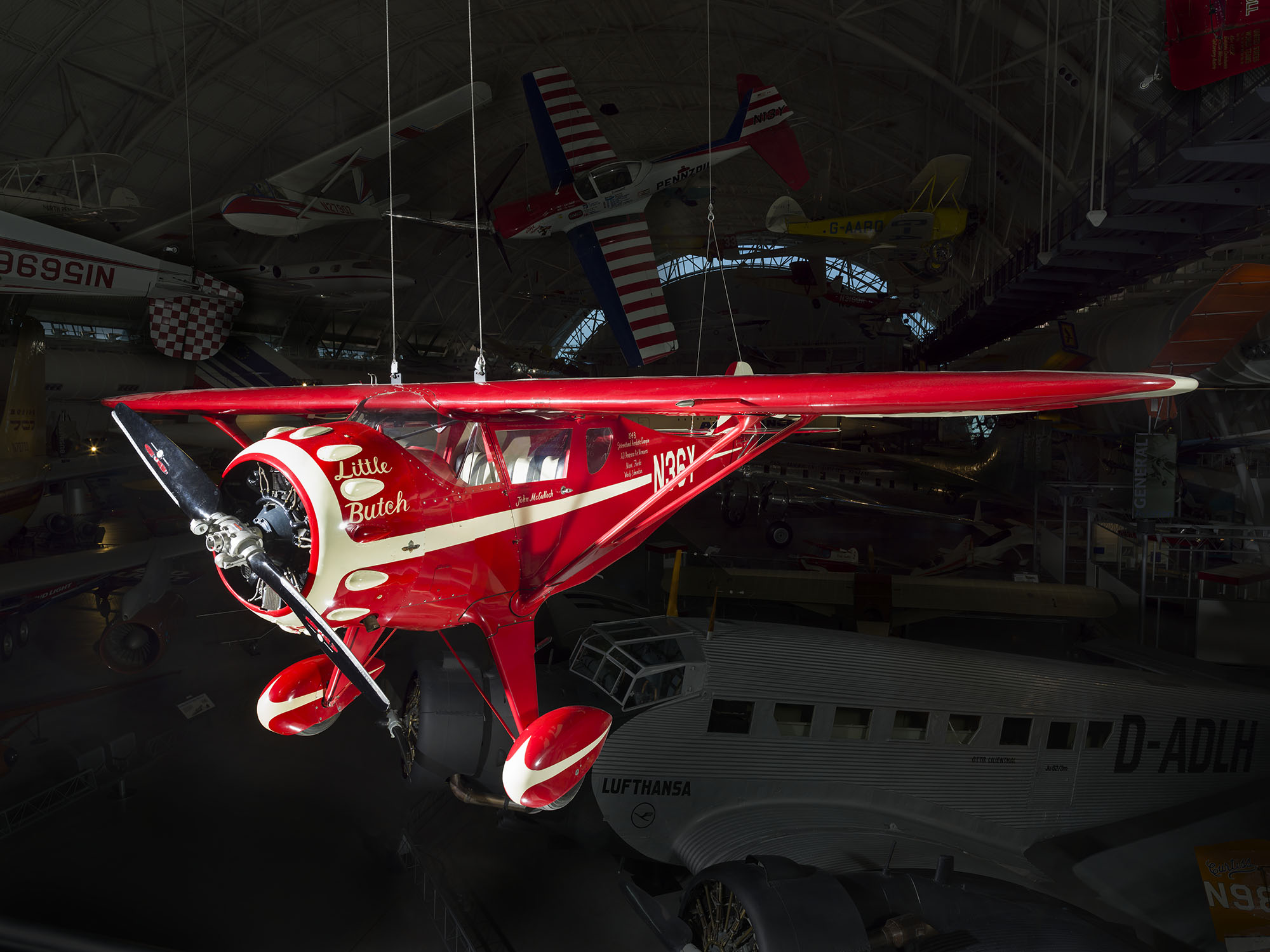
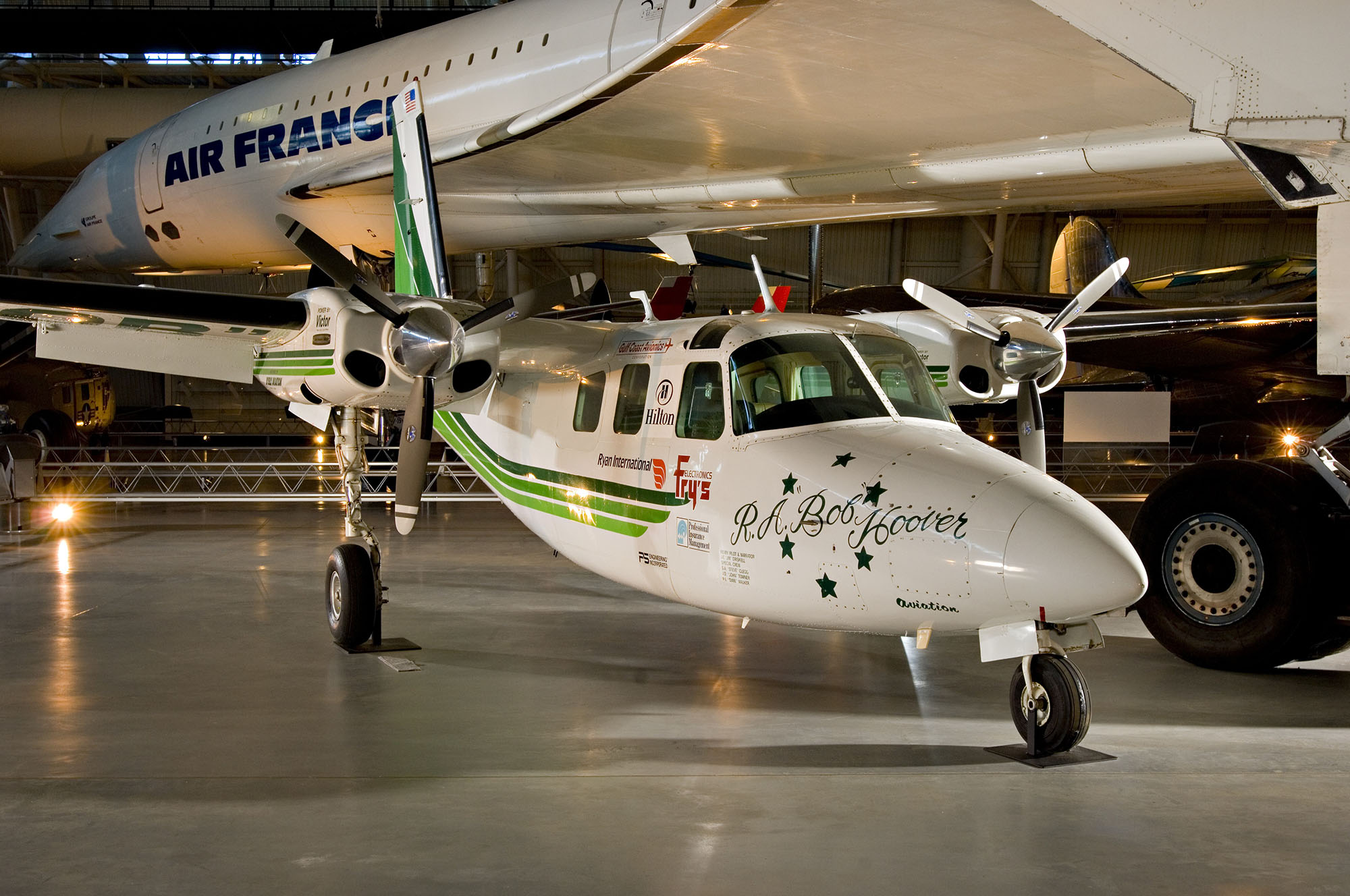
Most flying does not take place in a large scheduled airliner. General aviation includes personal travel, instruction, business transport, surveying, agricultural work, medical missions, and many other uses. These activities share airspace, but their aircraft can be very different. A short rough landing strip, a modest operating budget, or a specialized payload may be more important than high speed.
Small aircraft make the relationship between pilot and machine especially visible. Weight, balance, weather, and fuel planning have immediate consequences. Straightforward designs can be useful precisely because they are manageable to maintain and operate. More elaborate equipment can expand capability, but it also adds cost, training requirements, and new systems to understand.
The personal artifacts in this gallery widen the story beyond aircraft specifications. Clothing, equipment, and accounts of individual flights reveal ambition, work, ingenuity, and the barriers people encountered. The same airplane might be a livelihood for one person, an instrument of public service for another, and a route into a lifelong enthusiasm for a third. Connections to military liaison aircraft, air-rescue machines, and commercial transports show how ideas move across categories. Aviation's importance lies as much in useful daily service as in the famous firsts that attract headlines.