Air Force Museum
Liaison Pilots
World War II produced another group of enlisted pilots, whose wings bore an "L" in the center, to fly light single-engine liaison aircraft. Included were many enlisted aviation students who washed out of pilot training after having soloed and were given the opportunity to become liaison pilots.
In depth
History & service
Flight training consisted of about 60 hours of flying time and stressed such procedures as short field landings and takeoffs over obstacles, low altitude navigation, first aid, day and night reconnaissance, aerial photography and aircraft maintenance.
Unarmored and unarmed -- except perhaps for a .45 pistol or .30 carbine -- these men in 28 different squadrons flew low and slow with wheels, skis or floats.
They flew varied and often hazardous missions in nearly every theater -- medical evacuation from forward areas; delivering munitions, blood plasma, mail and other supplies to front lines; ferrying personnel; flying photographic or intelligence missions; serving as air observers for fighters or bombers; and other critical yet often unpublicized missions.
During the campaign to recapture the Philippines, pilots of the 25th Liaison Squadron flew a dozen L-5 aircraft in short 30-minute flights (Dec. 10-25, 1944) delivering supplies (including a 300-bed hospital) to the 6,000 men of the 11th Airborne Division isolated in the mountains of Leyte. In another mission, an Army officer wounded in the chest in New Guinea was evacuated in a liaison aircraft as the pilot pumped a portable respirator with one hand while he flew the aircraft with the other.
In the northwestern United States, some liaison pilots flew forest patrols (Project Firefly), watching for fires ignited by incendiary bombs carried across the Pacific beneath unmanned Japanese high-altitude balloons.
Aviation close to everyday life
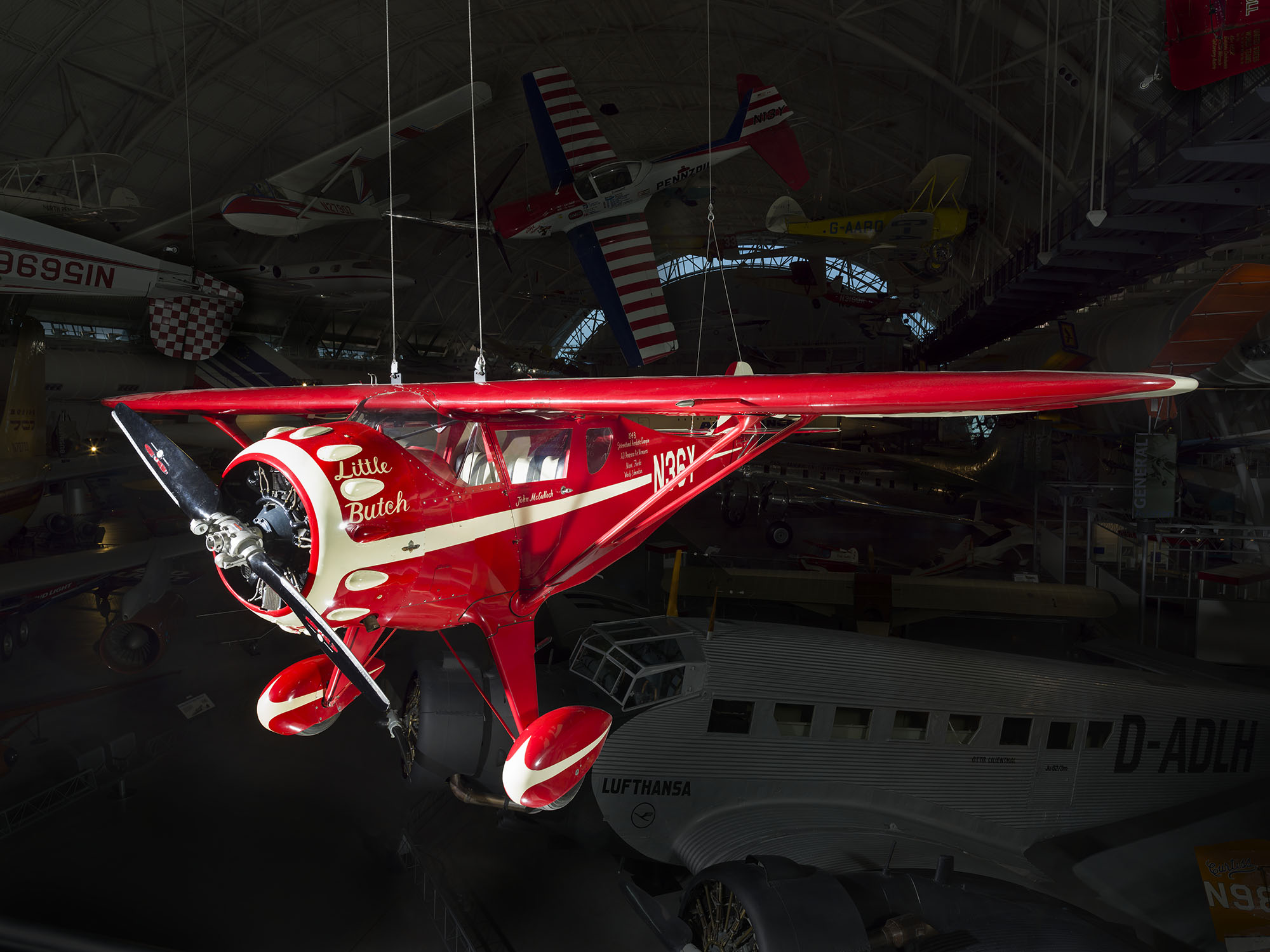
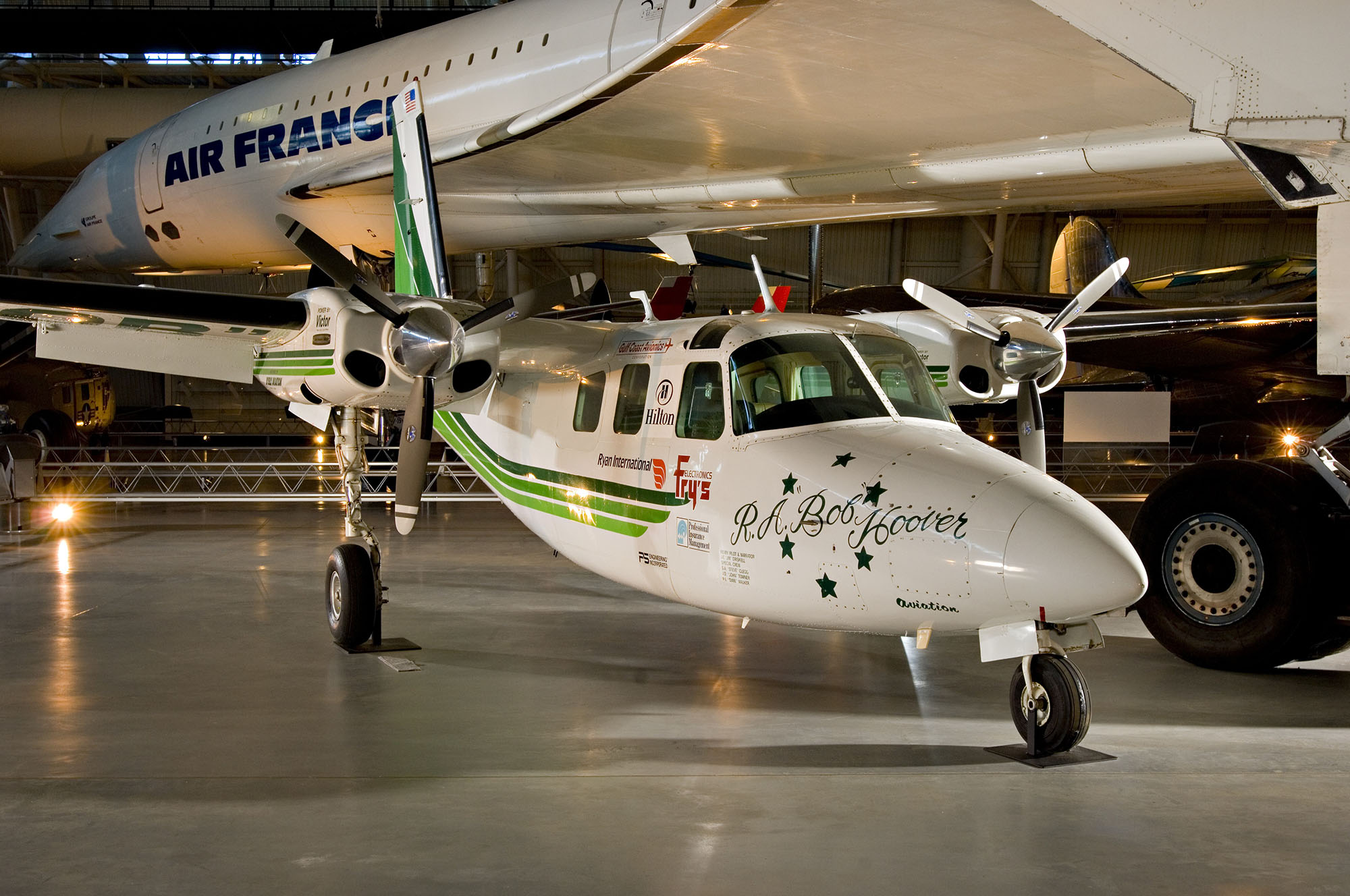
Most flying does not take place in a large scheduled airliner. General aviation includes personal travel, instruction, business transport, surveying, agricultural work, medical missions, and many other uses. These activities share airspace, but their aircraft can be very different. A short rough landing strip, a modest operating budget, or a specialized payload may be more important than high speed.
Small aircraft make the relationship between pilot and machine especially visible. Weight, balance, weather, and fuel planning have immediate consequences. Straightforward designs can be useful precisely because they are manageable to maintain and operate. More elaborate equipment can expand capability, but it also adds cost, training requirements, and new systems to understand.
The personal artifacts in this gallery widen the story beyond aircraft specifications. Clothing, equipment, and accounts of individual flights reveal ambition, work, ingenuity, and the barriers people encountered. The same airplane might be a livelihood for one person, an instrument of public service for another, and a route into a lifelong enthusiasm for a third. Connections to military liaison aircraft, air-rescue machines, and commercial transports show how ideas move across categories. Aviation's importance lies as much in useful daily service as in the famous firsts that attract headlines.