Air Force Museum
USAF Fighter Gunnery Competition Trophy
This trophy represents the continuation of the pre-World War II Army Air Corps tradition of aerial gunnery excellence into the newly formed United States Air Force. It commemorates the outstanding achievement of four Air Force units in both the 1949 and 1950 service-wide competitions.
In depth
History & service
The 1949 competition included both conventional (propeller) and jet fighter aircraft units with winners for each category. The 4th Fighter Group team won the first place award in the jet class. Capt. Vermont Garrison, who recorded 7 1/3 aerial victories in WWII, led the team.
Garrison would add 10 MiGs to his victory credit list in the Korean War, becoming a "Double Jet Ace." The 332nd Fighter Group, a segregated African American unit stationed at Lockbourne Air Base, near Columbus, Ohio, won first place in the conventional class.
Two months later, the 332nd Fighter Group was inactivated by the Department of Defense as a result of the Presidential Order to integrate the Armed Forces of the United States, and the personnel of the 332nd were reassigned to other units, thus integrating the United States Air Force.
In 1950 the Air Force conducted a second competition but suspended the annual event due to the outbreak of the Korean War. The competition is represented today by both the William Tell and the Gunsmoke competitions.
Performance was only part of the contest
A fighter's speed, climb, range, visibility, and armament shaped what it could do, but those qualities did not act alone. Training, tactics, warning systems, maintenance, fuel, and the condition of the airfield influenced every encounter. The aircraft that looks best in a table might be at a disadvantage at the wrong altitude, carrying the wrong load, or arriving with too little fuel to remain in the fight.
Escort missions demonstrate the importance of purpose. A fighter defending bombers had responsibilities beyond pursuing an opponent. It needed sufficient range, a useful position, and the discipline to remain with the force it protected. Ground attack imposed different demands, including visibility, endurance near the target, and the ability to survive damage from below.
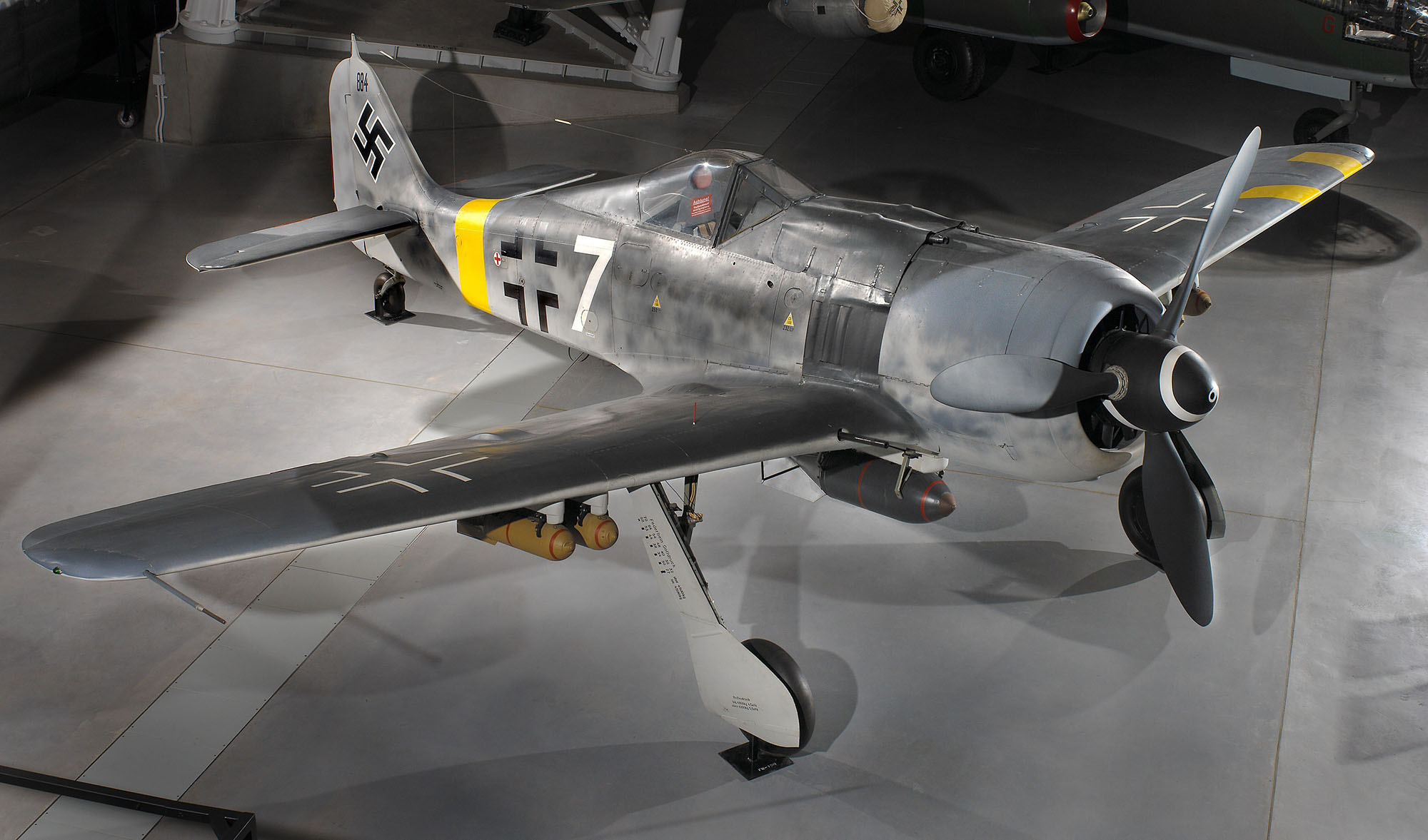
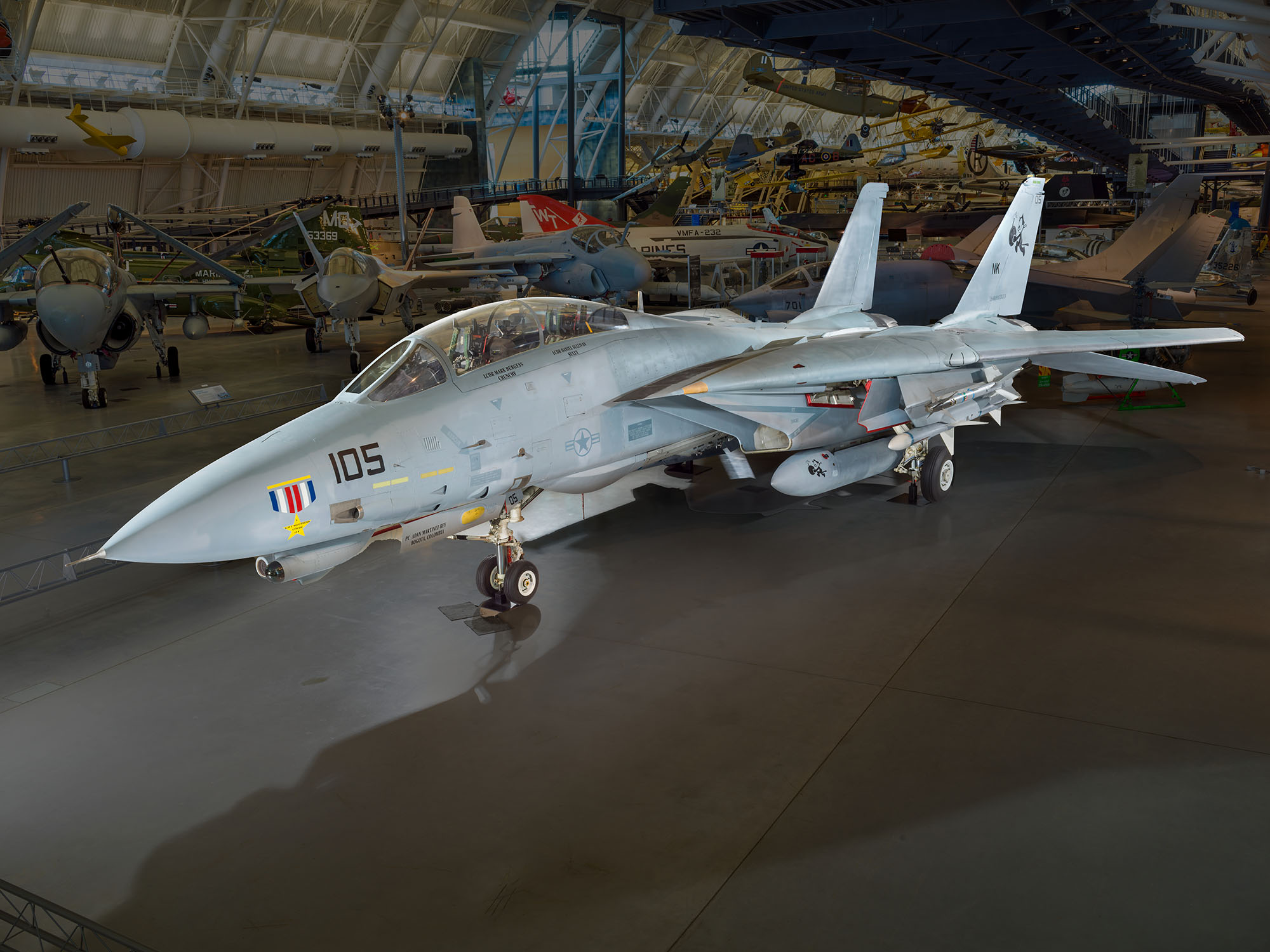
Comparing aircraft across museums is most rewarding when the mission remains in view. An early pursuit biplane, a wartime piston fighter, and a Cold War jet represent different technologies, but all were part of a larger operational system. Personal accounts reveal how pilots worked within those limits. They also show why claims of individual success need context: weather, surprise, teamwork, and opportunities created by others shaped the outcome. The aircraft provides the physical evidence; the surrounding stories explain how people used it and what that use cost.