Historical and civic inquiry
C3 Inquiry Arc pathways move from compelling questions through source evaluation, disciplinary reasoning, evidence, and informed conclusions.
Observe · Question · Investigate · Explain
Museums, memorials, historic places, scientific expeditions, and public collections provide the evidence. Each experience adds a clear question, reliable sources, and room for independent study.
The learning approach
Learners first encounter the place, object, image, map, or record without being told what conclusion to reach. Prompts direct attention without replacing curiosity.
Context and interpretation follow. Learners compare sources, distinguish observation from inference, and build a response that can be supported with evidence.
A repeatable inquiry sequence
The same four-part pattern supports a memorial, reef expedition, art gallery, landscape, or mathematical model without forcing the subjects into identical lessons.
Establish the setting, scale, relationships, and visible evidence before reading an explanation.
Use a compelling question to direct attention while preserving more than one possible route through the subject.
Compare objects, documents, maps, photographs, testimony, and authoritative sources. Revise early assumptions.
Communicate a conclusion, model, reflection, route, or creative response and identify the evidence that supports it.
Curriculum connections
C3 Inquiry Arc pathways move from compelling questions through source evaluation, disciplinary reasoning, evidence, and informed conclusions.
Common Core literacy practices support citing evidence and integrating maps, images, objects, technical information, and firsthand accounts.
NGSS connections emphasize systems, models, observation, evidence-based explanation, engineering choices, and evaluation of solutions.
National Core Arts Standards support close looking, interpretation, evaluation, and connections among art, personal experience, culture, and history.
Standards references are planning aids rather than certification. Educators should connect each route to the scope, sequence, and requirements used by their school, district, or state.
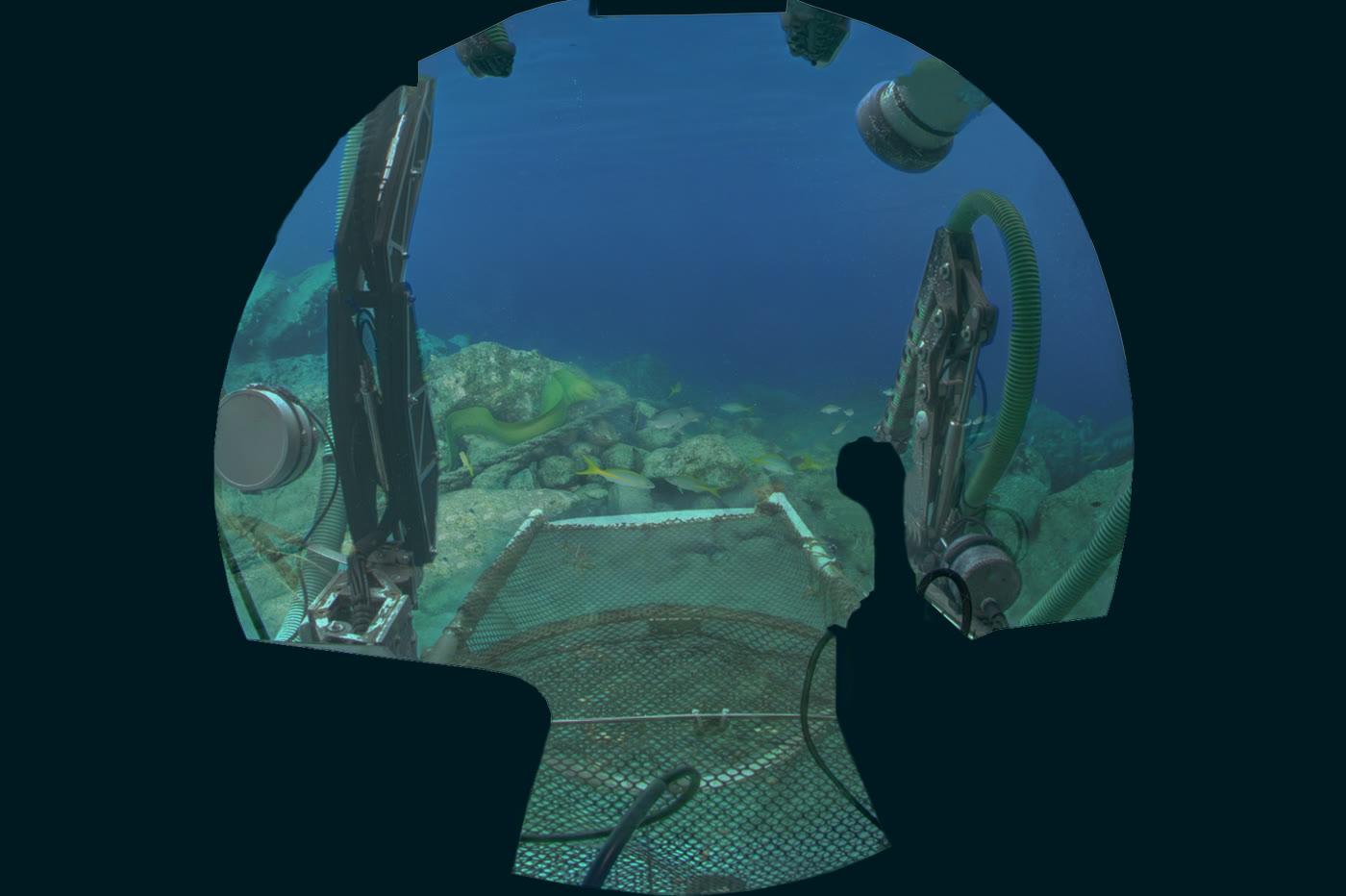 Deep Reef Observation Expedition
Designed for today’s learner
Children grow up in an interactive, visual, media-rich world. A static handout can still be useful, but it cannot carry the entire learning experience. Direct exploration gives students a reason to look closely, make choices, follow evidence, and ask what happens next.
The goal is not more noise. It is focused engagement: calm interfaces, optional depth, accessible modes, teacher guidance, and stories strong enough to earn attention.
The evidence already exists
Each project provides a different subject, evidence set, and mode of inquiry. The curriculum notes are starting points for educators, not claims of formal accreditation.
Students enter a submersible mission, investigate invasive lionfish, and evaluate how researchers observe a changing reef.
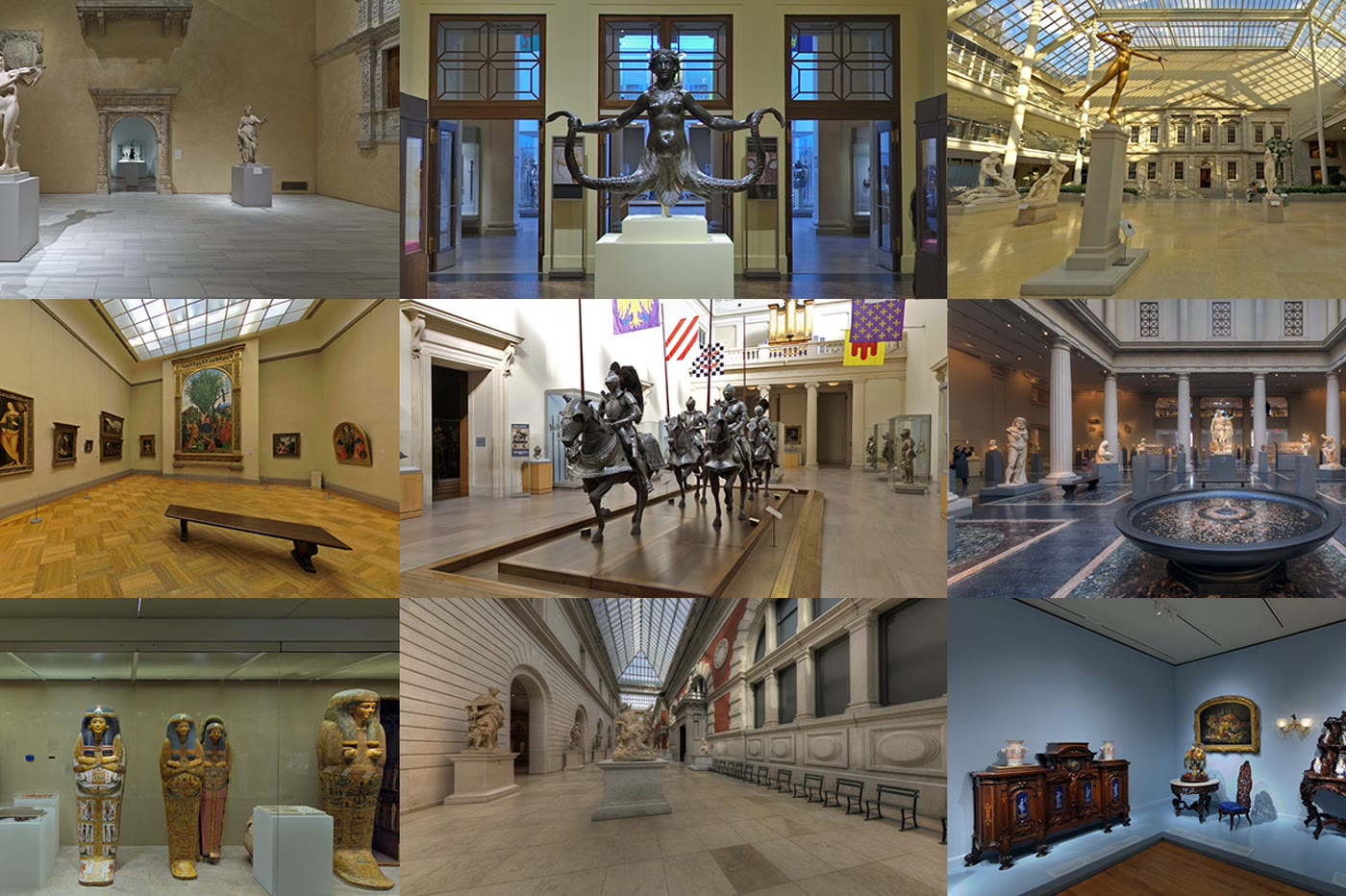
Twenty identified gallery spaces become focused visual and audio modules rather than one overwhelming digital collection.
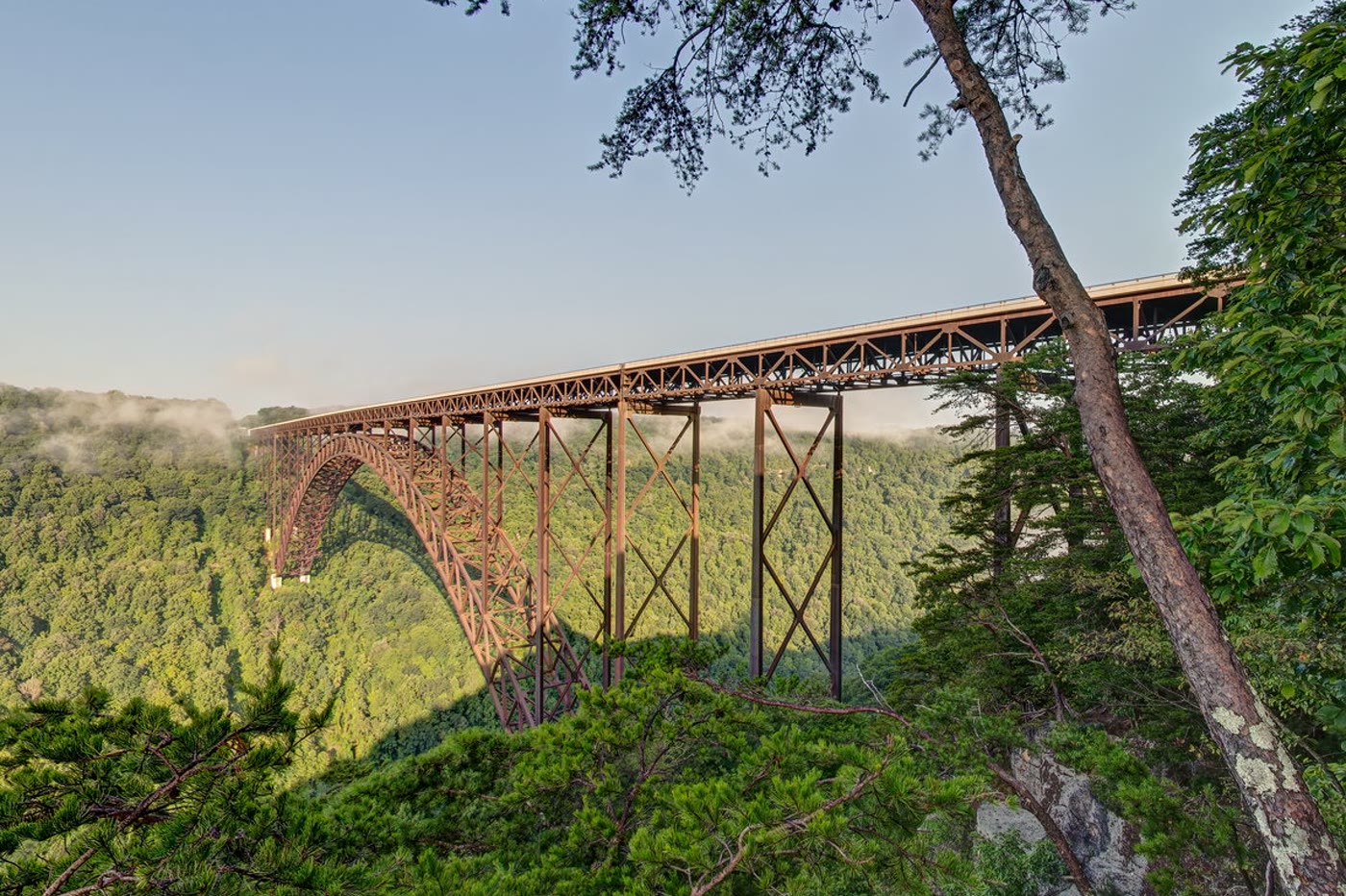
Historic sites, parks, maps, local stories, and audio connect spatial evidence to a real or virtual journey.
A useful learning environment for many roles
The collection is source-grounded and designed to help learners investigate rather than be told what to think.
Operating principles
Explanations begin with reliable sources and receive review appropriate to the subject.
Transcripts, keyboard access, reduced motion, descriptive text, and flexible media are part of the learning system.
Source assets, citations, accessible alternatives, and migration paths remain portable beyond a single platform or annual budget.
Pilots should define what success means, measure engagement and learning, and publish what needs improvement.
A collection that can keep growing
Each experience can begin as a compact route through panoramic scenes and sourced interpretation, then deepen through audio, accessible companions, educator materials, related collections, and new questions.