National Mall
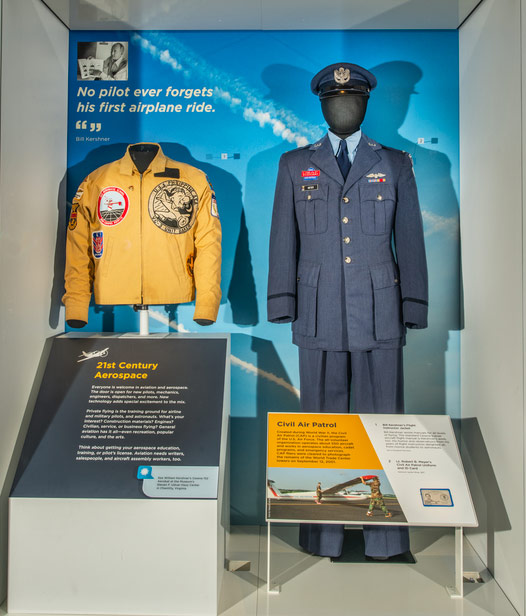
Civil Air Patrol Uniform
The Civil Air Patrol supports aerospace education, cadet programs, and emergency services. Its uniform identifies people who train to work together during public missions. Aircraft are only one part of a response. Crews also need communications, search plans, weather information, photography, ground coordination, and clear authority.
In depth
Emergency aviation depends on organization
The Civil Air Patrol occupies a boundary between volunteer association and U.S. Air Force auxiliary. Its history raises questions about service, training, legitimacy, and the use of civilian capability during emergencies.
Service, skill, and the right to take part
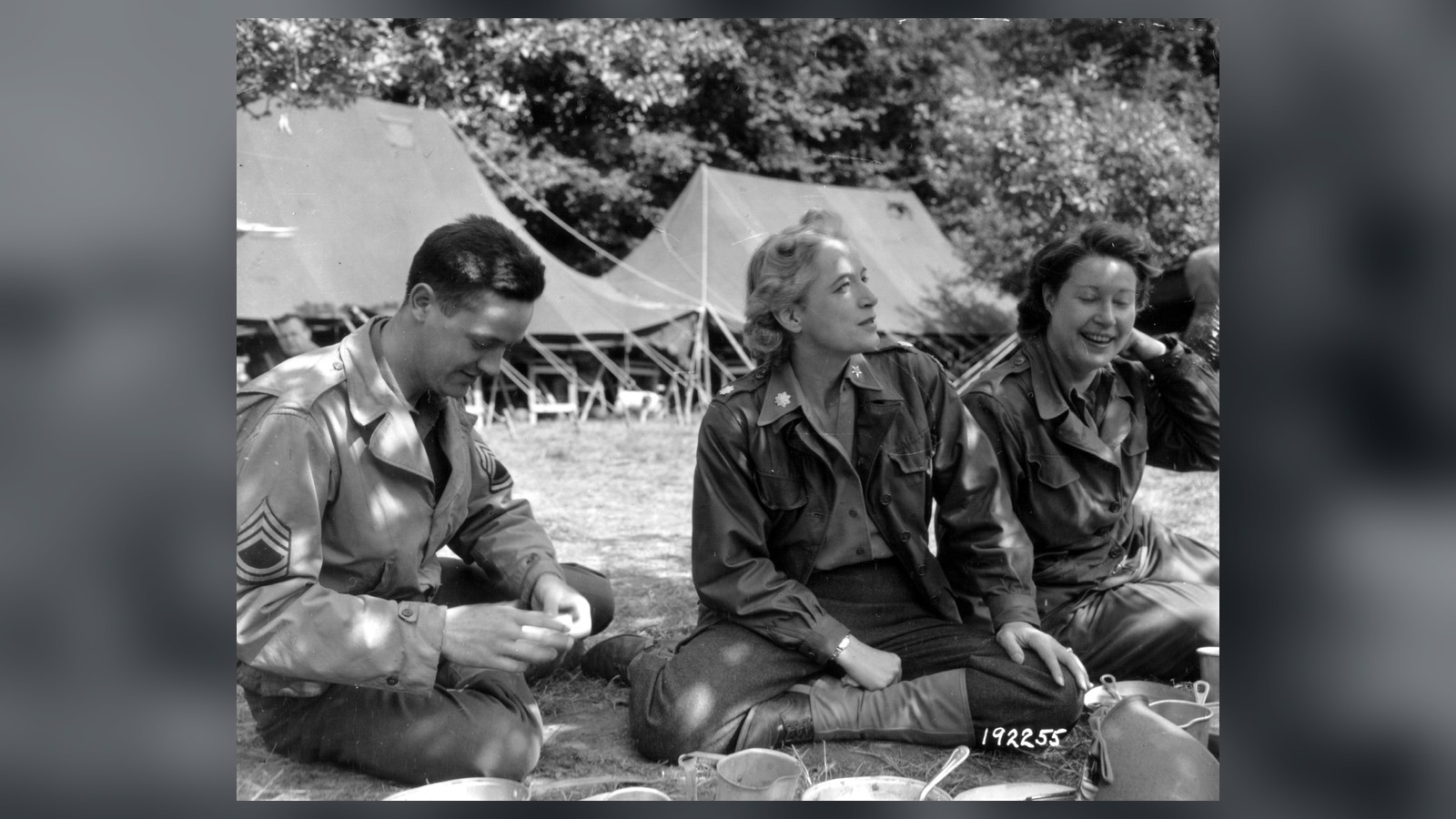
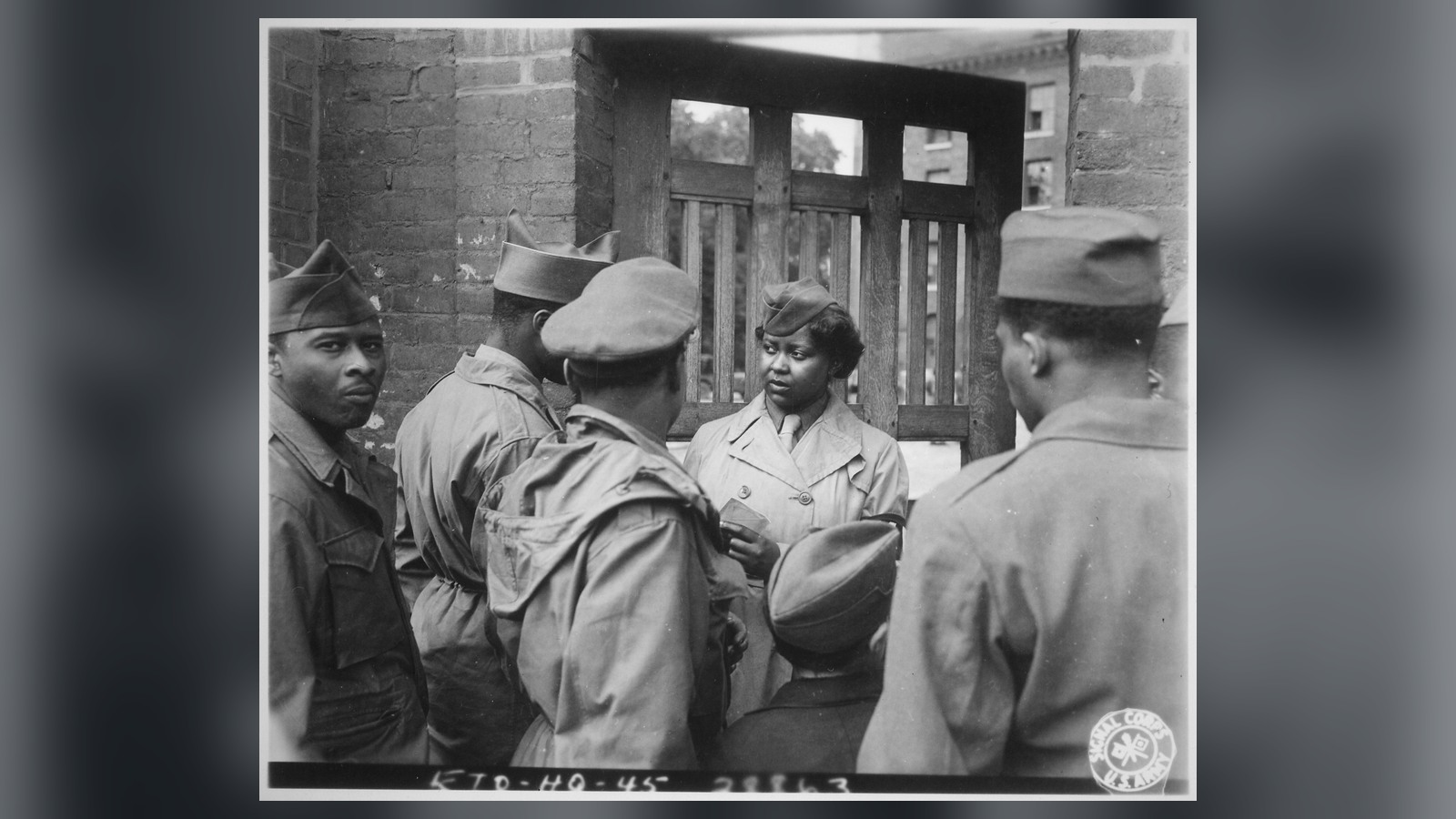
Aviation has often been presented as a field open to anyone with enough skill and determination. The historical record is more complicated. Race, gender, money, institutional rules, and access to training shaped who could fly, maintain aircraft, receive commissions, or be recognized for their work. Those barriers were not separate from aviation history; they helped determine whose talents the field could use.
The people represented by uniforms, clothing, photographs, and personal equipment made achievements within those conditions. Their stories include technical proficiency and courage, but also persistence, organization, advocacy, and support from others. Military service could create opportunities while also exposing the contradiction between serving a country and being denied equal treatment within it.
Individual milestones should therefore be connected to the wider community. Pilots relied on instructors, mechanics, administrators, medical personnel, and families. Changes in policy were influenced by public pressure and documented performance as well as by exceptional individuals. Moving between the civil and military galleries makes those connections visible. A flight suit, a scarf, a jacket, or a cockpit can mark both a particular career and a larger expansion of opportunity. The inspirational force of these objects grows when the difficulties are described accurately and the less visible contributors are included.
_the_continent_of_Europe_were_800_girls_of_the_6888th_Central_Postal_Directory_Bn,_w_-_NARA_-_531333.jpg)