Air Force Museum
Integration of the USAF
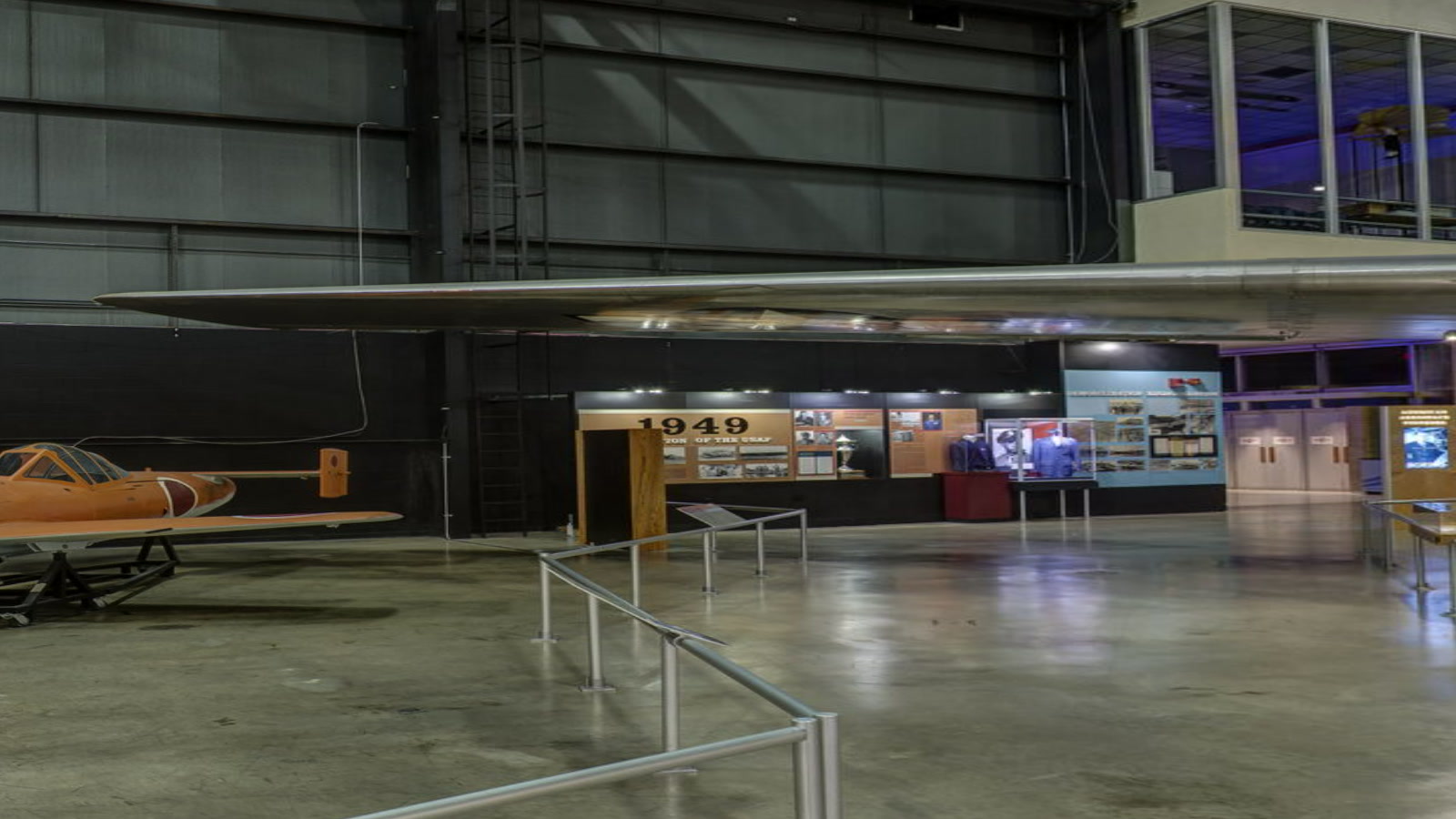
Executive Order 9981 directed equality of treatment and opportunity in the armed forces, beginning a difficult institutional transformation after the war. African American service members had fought within a segregated military during World War II. Their performance, the activism of veterans and civil-rights organizations, political pressure, and the contradiction between wartime claims and discriminatory practice made segregation increasingly indefensible.
In depth
The story behind the display
President Harry S. Truman issued Executive Order 9981 in 1948. The newly independent Air Force moved toward integration, but an order did not erase prejudice or instantly produce equality. The change required policy, assignments, leadership, enforcement, and continued pressure from people inside and outside the service.
History & service
When the 322nd Fighter Group returned to the U.S. following the Allied victory in Europe in 1945, three of its squadrons were deactivated. The fourth, the famous 99th Fighter Squadron, was assigned to the 477th Composite Group at Godman Field, Ky. Equipped with both bombers (B-25s) and fighters (P-47s), the 477th transferred to Lockbourne Army Air Base near Columbus, Ohio, on March 13, 1946, where it was later redesignated the 332nd Fighter Wing. In April 1948, Gen.
Carl Spaatz, Air Force Chief of Staff, publicly announced that the Air Force would desegregate to improve its combat effectiveness. In May 1949, the Air Force published regulations dismantling segregation, and on July 1, 1949, Lockbourne was deactivated and its personnel were transferred to previously all-white units stationed throughout the world. Men joining the Air Force from then on were assigned according to their ability and not race.
Details that tell the story
Executive Order 9981 was issued on July 26, 1948 · Directed equality of treatment and opportunity in the armed services · The Air Force had become an independent service in 1947 · Implementation required sustained organizational change
Service, skill, and the right to take part
Aviation has often been presented as a field open to anyone with enough skill and determination. The historical record is more complicated. Race, gender, money, institutional rules, and access to training shaped who could fly, maintain aircraft, receive commissions, or be recognized for their work. Those barriers were not separate from aviation history; they helped determine whose talents the field could use.
The people represented by uniforms, clothing, photographs, and personal equipment made achievements within those conditions. Their stories include technical proficiency and courage, but also persistence, organization, advocacy, and support from others. Military service could create opportunities while also exposing the contradiction between serving a country and being denied equal treatment within it.
Individual milestones should therefore be connected to the wider community. Pilots relied on instructors, mechanics, administrators, medical personnel, and families. Changes in policy were influenced by public pressure and documented performance as well as by exceptional individuals. Moving between the civil and military galleries makes those connections visible. A flight suit, a scarf, a jacket, or a cockpit can mark both a particular career and a larger expansion of opportunity. The inspirational force of these objects grows when the difficulties are described accurately and the less visible contributors are included.