National Mall
Ryan NYP Spirit of St. Louis
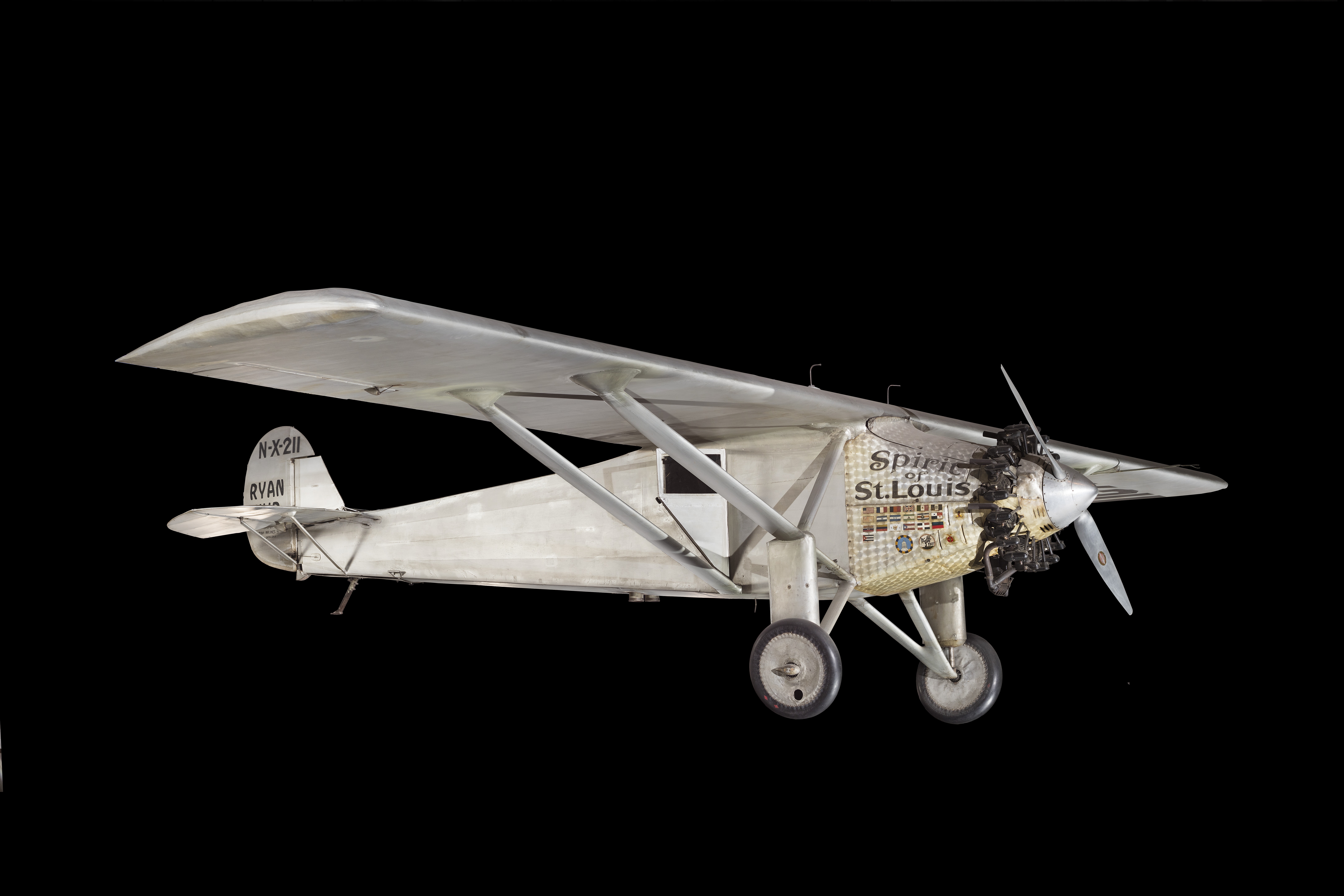
Charles Lindbergh crossed the Atlantic alone in an airplane built around one difficult goal: carry enough fuel to reach Paris. The fuel tanks blocked his forward view, so he looked sideways and used a small periscope when he needed it.
In depth
Every kilogram served the mission
The Spirit of St. Louis was a tightly balanced system of range, reliability, weight, and pilot endurance. Its unusual arrangement accepted limited visibility in exchange for fuel capacity and safer tank placement during a crash.
Ryan Airlines adapted the M-2 into an aircraft optimized for a specific operational profile. Lindbergh’s flight joined technical reliability, weather judgment, navigation by dead reckoning, and human endurance in one high-risk system.
The work behind a record flight
Long-distance flying exposed the difference between an aircraft's advertised performance and the demands of a real journey. More fuel extended range but increased takeoff weight. A route that looked direct on a map might cross hostile weather, mountains, or ocean with few options for landing. Navigation, fatigue, engine reliability, and access to fuel could matter as much as speed.
Record flights made individual pilots famous, but their preparation drew on a much wider circle. Mechanics inspected and modified aircraft. Weather specialists helped assess routes. Manufacturers supplied parts and advice. Ground organizations arranged fuel, communications, and recovery. Some journeys were feats of endurance; others were surveys intended to show where dependable future routes might run.
The human stories are strongest when those practical details remain visible. A pilot's courage did not remove risk; it operated alongside planning, experience, and judgment. The surviving aircraft can reveal what the mission demanded through its fuel capacity, cockpit arrangement, engine installation, and provisions for navigation. Related objects in other museums supply the rest of the picture: an engine, a pressure suit, a radio, or a later transport that made the once-exceptional route routine. A record becomes more meaningful when it can be connected to what followed.