National Mall
Mariner 10
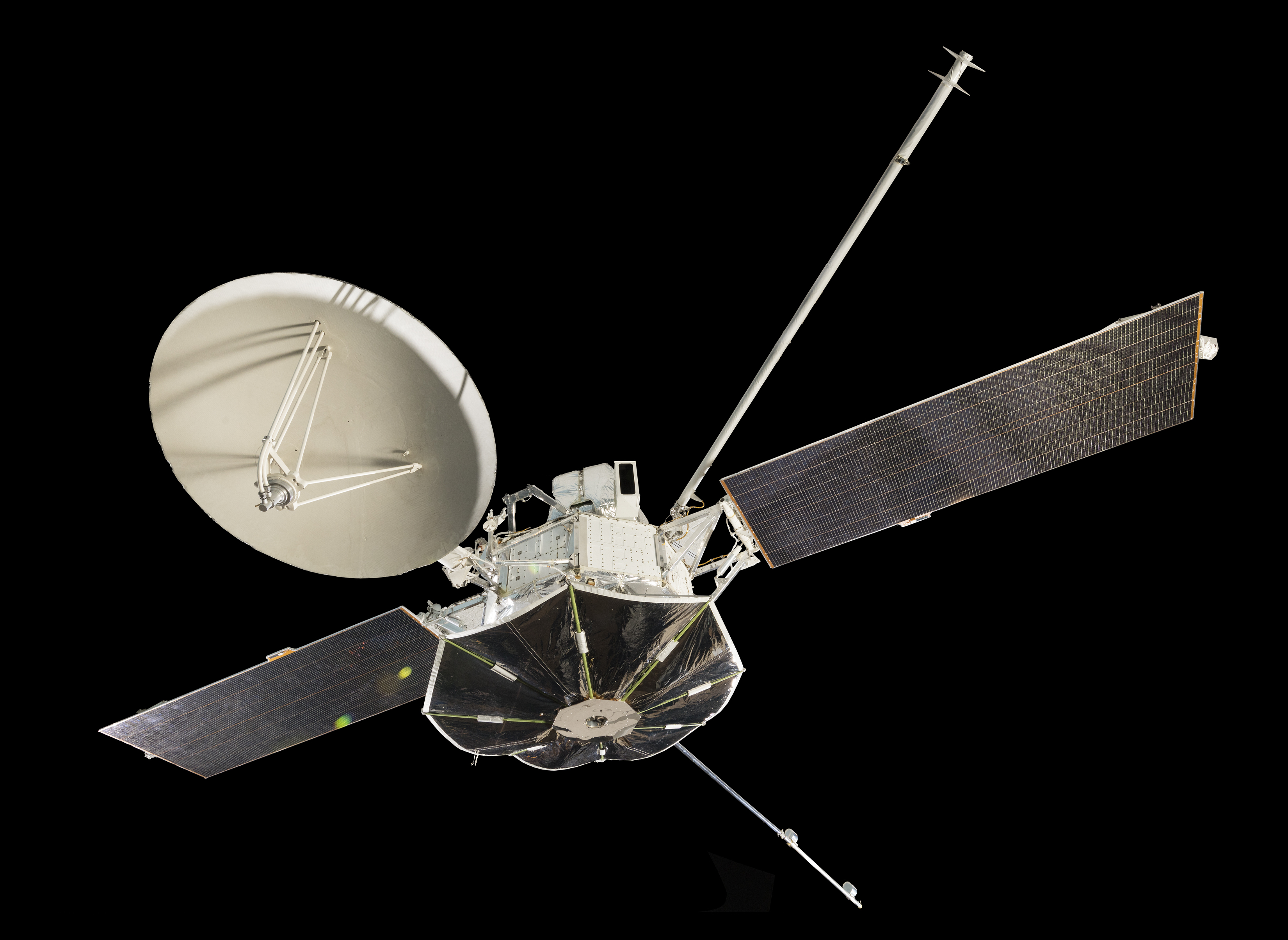
Mariner 10 flew past Venus so the planet’s gravity could bend the spacecraft’s path toward Mercury. It became the first spacecraft to visit two planets. A gravity assist trades energy and direction between a spacecraft and a moving planet. Mariner 10’s Venus encounter made repeated Mercury flybys possible while thermal design protected its systems from intense sunlight.
In depth
Mission design can replace fuel with timing
Mariner 10 demonstrated planetary gravity assist as a practical mission architecture. Its route, attitude control, thermal limits, communications, and encounter geometry had to be solved as one coupled system.
Exploration by instruments and patient teams
A planetary spacecraft must operate in conditions its builders can test only imperfectly on Earth. Launch vibration, radiation, temperature, power, communications, and long periods without immediate intervention all affect the design. The most useful mission is not necessarily the one carrying the most instruments; it is the one whose instruments can make meaningful measurements and return them reliably.
Different mission types answer different questions. A flyby provides a brief encounter and may use a planet's gravity to continue elsewhere. An orbiter can revisit the same world under changing conditions. A lander examines one location closely, while a rover trades additional mechanical complexity for the ability to move between sites. Sample-return missions add the extraordinary challenge of bringing material home for analysis with instruments too large or complex to fly.
The discoveries are collective achievements. Engineers keep the spacecraft functioning, mission planners choose observations, and scientists compare the results with existing explanations. An unexpected image or measurement can redirect years of work. The cameras, rovers, globes, and spacecraft models in these galleries show successive ways of turning a distant point of light into a world with a history. Their connections to aviation run through navigation, imaging, materials, computing, and communications. The pilot may be absent, but human judgment remains present throughout the mission.