National Mall
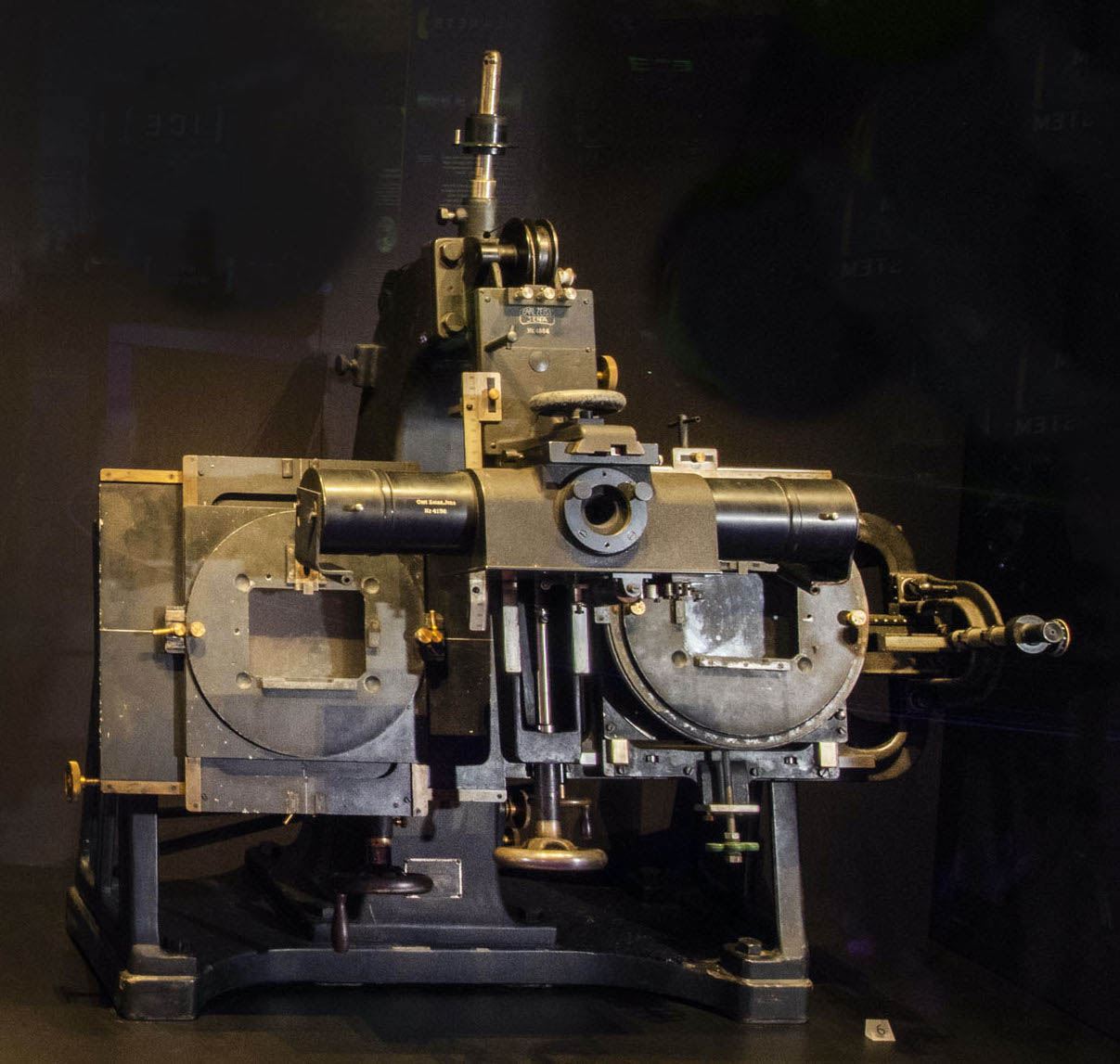
Blink Comparator
A blink comparator switches quickly between two photographs of the same stars taken on different nights. Distant stars stay still, but a nearer moving world appears to jump. Clyde Tombaugh used one like this to discover Pluto in 1930.
In depth
Difference is the signal
The comparator makes small changes visible by alternating aligned images. The method depends on consistent exposure, accurate plate registration, careful searching, and follow-up observations to confirm an orbit.
Tombaugh’s search joined a prediction about an outer planet, systematic photographic coverage, optical comparison, and human pattern recognition. Pluto’s later reclassification did not undo the observational achievement; it changed the category used to interpret it.
Exploration by instruments and patient teams
A planetary spacecraft must operate in conditions its builders can test only imperfectly on Earth. Launch vibration, radiation, temperature, power, communications, and long periods without immediate intervention all affect the design. The most useful mission is not necessarily the one carrying the most instruments; it is the one whose instruments can make meaningful measurements and return them reliably.
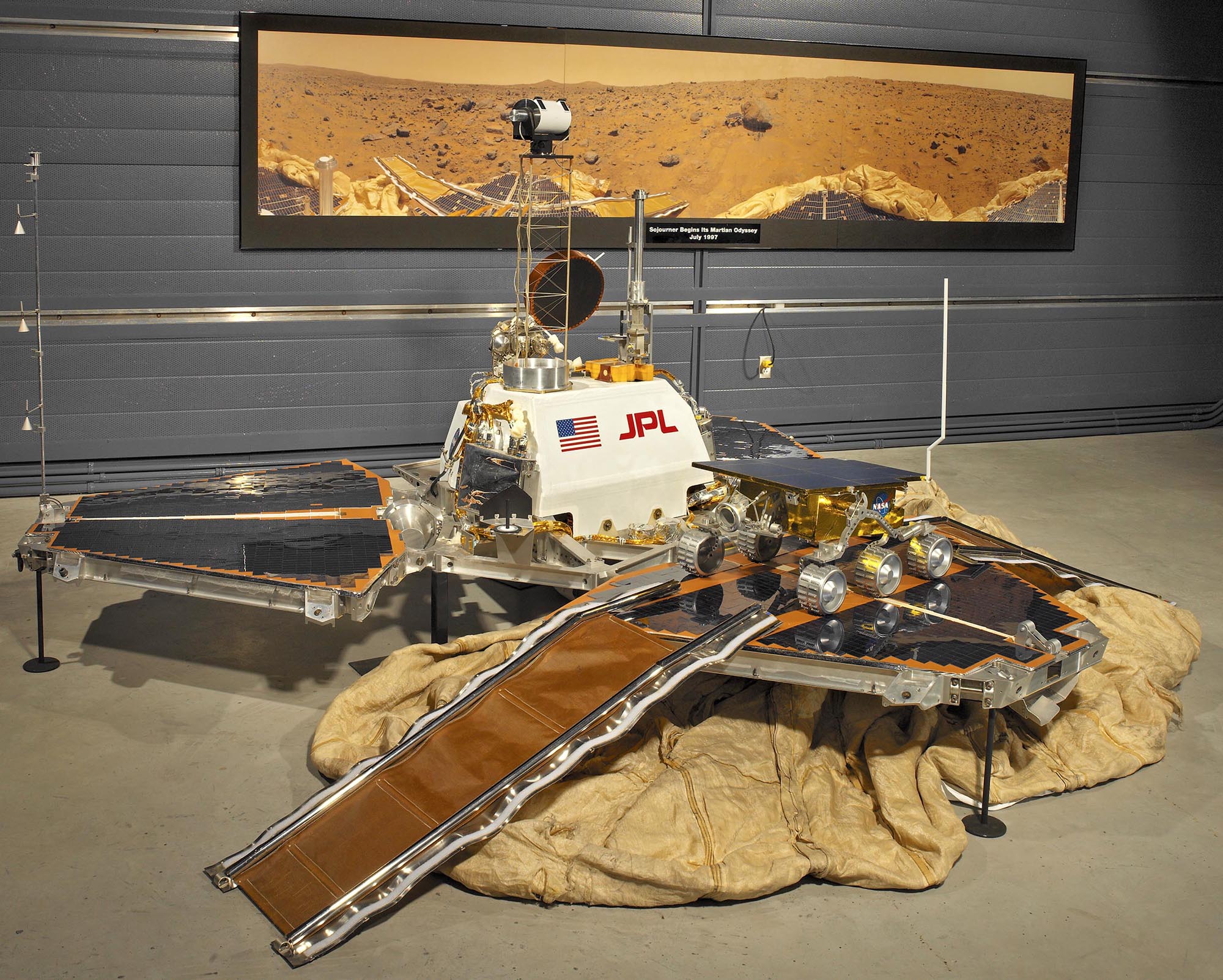
Different mission types answer different questions. A flyby provides a brief encounter and may use a planet's gravity to continue elsewhere. An orbiter can revisit the same world under changing conditions. A lander examines one location closely, while a rover trades additional mechanical complexity for the ability to move between sites. Sample-return missions add the extraordinary challenge of bringing material home for analysis with instruments too large or complex to fly.
The discoveries are collective achievements. Engineers keep the spacecraft functioning, mission planners choose observations, and scientists compare the results with existing explanations. An unexpected image or measurement can redirect years of work. The cameras, rovers, globes, and spacecraft models in these galleries show successive ways of turning a distant point of light into a world with a history. Their connections to aviation run through navigation, imaging, materials, computing, and communications. The pilot may be absent, but human judgment remains present throughout the mission.