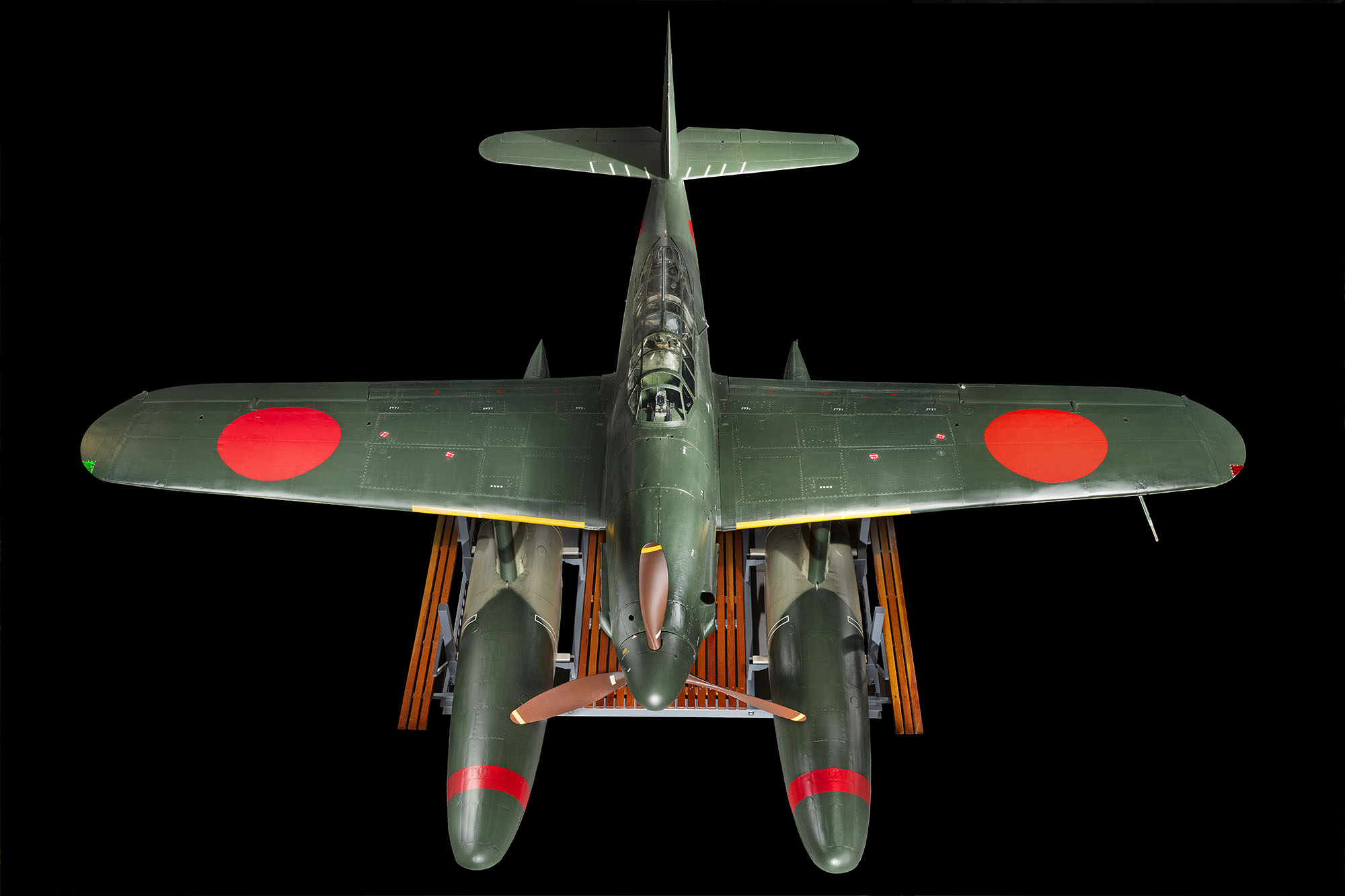
Air Force Museum
Brig. Gen. Clinton D. 'Casey' Vincent
Clinton D. Vincent was the second youngest general officer in Air Force history, earning his star at the age of 29. After only seven years of service in the armed forces, he rose to the temporary rank of brigadier general.
In depth
History & service
Vincent spent the first year of World War II with the Karachi American Air Base Command in India. He moved to China in November 1942 to join the China Air Task Force. By the end of August 1943, Vincent was a P-40 ace, with six aerial victories to his credit. From December 1943 to December 1944, he commanded the 68th Composite Wing in China. He was promoted to brigadier general in June 1944.
In late 1944, Vincent left China to command the 30th Flying Training Wing at Turner Field, Georgia, and other units. He reverted to his permanent rank of captain in 1946 and became an instructor at the Air War College.
From 1949 to 1955, Vincent rose through the ranks in a variety of command positions. He was temporarily promoted to brigadier general again in 1951. On July 5, 1955, after his first day of duty as the deputy chief of staff for operations of the Continental Air Defense Command, he died of a heart attack. He was only 40 years old.
In 1943, then-Col. Vincent met cartoonist Milton Caniff, famous for his Terry and the Pirates adventure strip. Caniff created a character based upon Vincent, named "Vince Casey," who appeared in his Terry and the Pirates throughout WWII. Vincent also appeared in Caniff's postwar Steve Canyon comic strip as "General Shanty Town," a hard-working, peacetime general. In 1956 Caniff paid tribute to Vincent by portraying the death of "General Town" from overwork in the Steve Canyon strip.
Aircraft change the battlefield
In the First World War, aircraft became valuable because they could see beyond the front line. Reconnaissance and artillery observation affected decisions on the ground. Once that information mattered, opposing forces had reason to attack the aircraft gathering it. Fighters, defensive armament, and increasingly specialized missions developed around this contest over observation and freedom of movement.
The aircraft were fragile by later standards, but their crews worked inside a rapidly expanding military system. Training, maintenance, replacement aircraft, photography, communications, and weather reporting supported each sortie. Improvements in engines and armament changed tactics, while the pressures of combat exposed weaknesses that might have taken much longer to discover in peacetime.
Personal stories should be read alongside those systems. A uniform or a named aircraft connects the war to an individual, but the individual depended on many others and operated under constraints that skill could not eliminate. Aircraft from opposing sides show how designers answered similar problems in different ways. The later military collections in Dayton and at Udvar-Hazy reveal what endured: the need to gather information, protect friendly forces, move people and supplies, and coordinate action across distance. The scale changed enormously; the relationship between an aircraft's design and the job it had to perform remained fundamental.