Air Force Museum
Battle of the Bulge
The Battle of the Bulge tested Allied air power when winter weather initially kept aircraft grounded and German forces achieved surprise. Germany's offensive through the Ardennes began under cloud, fog, and snow that limited Allied reconnaissance and close air support. Ground forces held key positions while commanders rushed reinforcements toward the expanding front.
In depth
The story behind the display
When skies cleared, Allied fighters and bombers attacked transportation, armor, supply columns, and airfields. Air power did not win the battle alone, but it magnified German shortages and helped prevent the offensive from sustaining its momentum.
History & service
Early on Dec. 16, 1944, the Germans began their large-scale counteroffensive in the Ardennes. During the first seven days, fog, clouds and snow seriously limited Allied air power, and by Dec. 24 the Germans had penetrated 50 miles westward. The weather let up and both Allied and German air power took to the air to assist their respective ground forces.
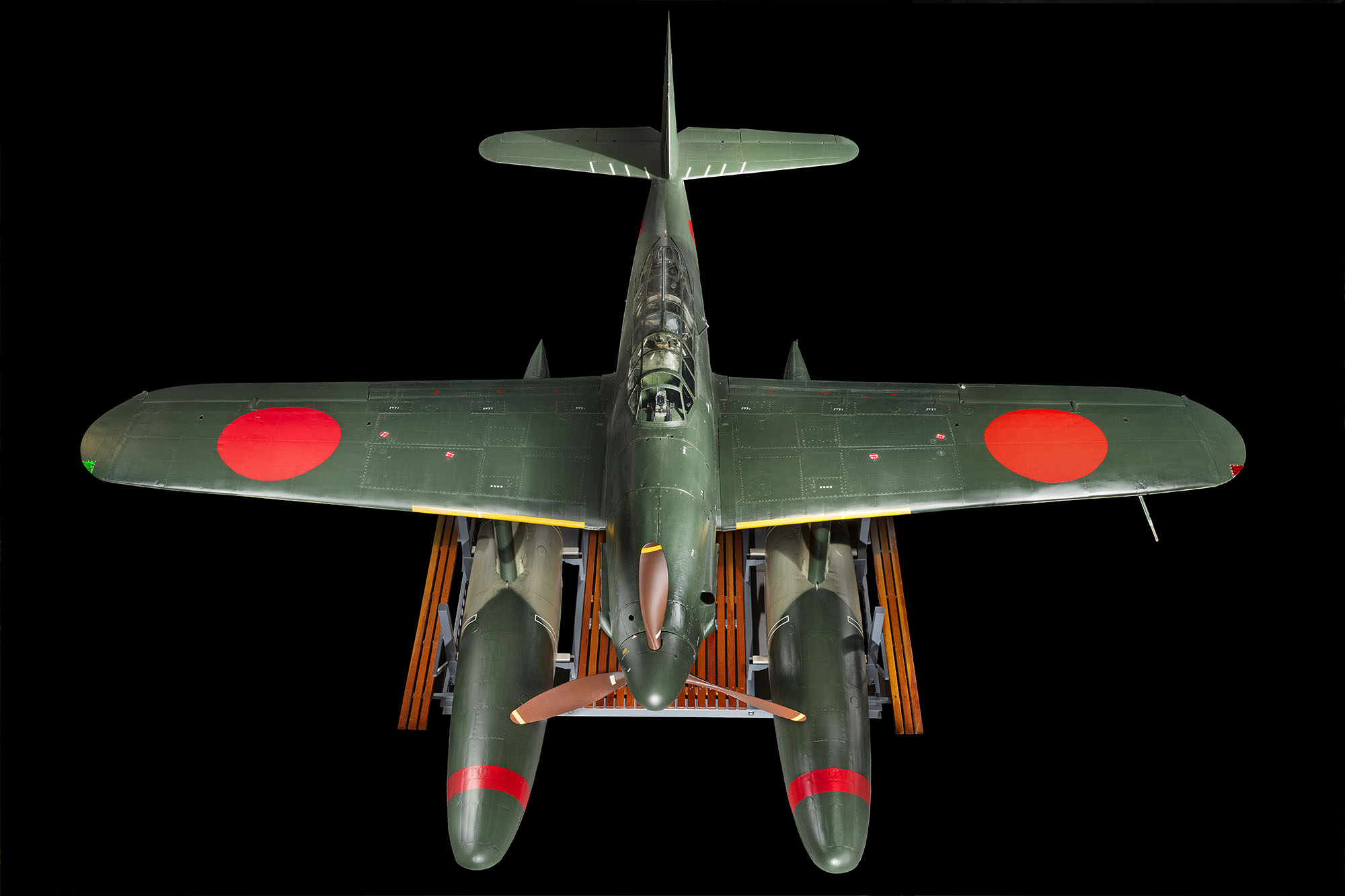
The Luftwaffe, greatly outnumbered, primarily used fighters, whereas the Allies used bombers, gliders and cargo planes in addition to fighters. German forces were gradually cut off from their supplies and under withering attacks, they began to fall back. By the end of January 1945, the Allies had regained practically all territory lost to the enemy.
Details that tell the story
Germany attacked through the Ardennes in December 1944 · Bad weather initially restricted Allied flying · Air attacks increased when conditions cleared · The battle depleted German reserves before the final advance into Germany
Aircraft change the battlefield
In the First World War, aircraft became valuable because they could see beyond the front line. Reconnaissance and artillery observation affected decisions on the ground. Once that information mattered, opposing forces had reason to attack the aircraft gathering it. Fighters, defensive armament, and increasingly specialized missions developed around this contest over observation and freedom of movement.
The aircraft were fragile by later standards, but their crews worked inside a rapidly expanding military system. Training, maintenance, replacement aircraft, photography, communications, and weather reporting supported each sortie. Improvements in engines and armament changed tactics, while the pressures of combat exposed weaknesses that might have taken much longer to discover in peacetime.
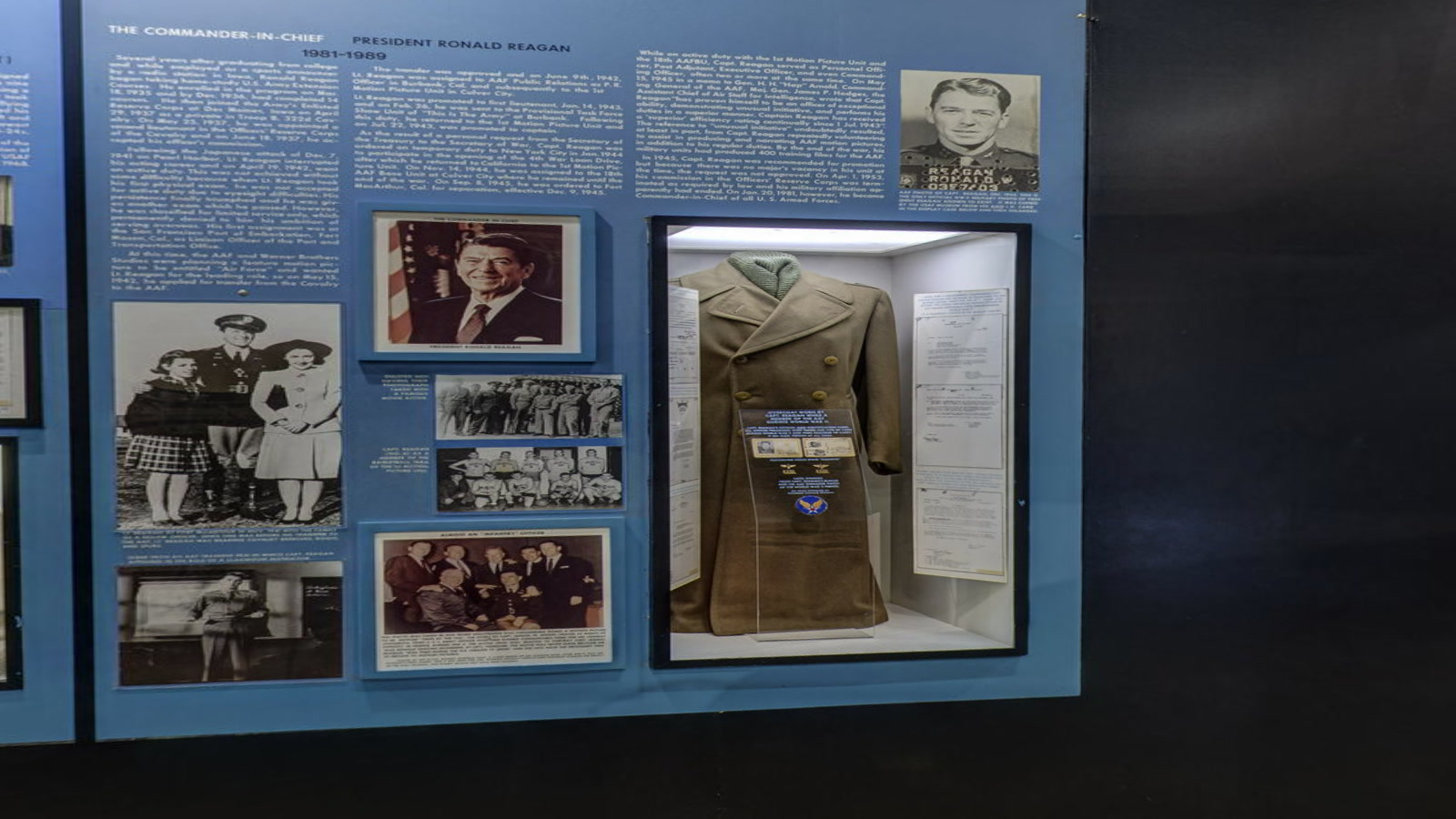
Personal stories should be read alongside those systems. A uniform or a named aircraft connects the war to an individual, but the individual depended on many others and operated under constraints that skill could not eliminate. Aircraft from opposing sides show how designers answered similar problems in different ways. The later military collections in Dayton and at Udvar-Hazy reveal what endured: the need to gather information, protect friendly forces, move people and supplies, and coordinate action across distance. The scale changed enormously; the relationship between an aircraft's design and the job it had to perform remained fundamental.