Air Force Museum
Disney Pins on Wings Exhibit
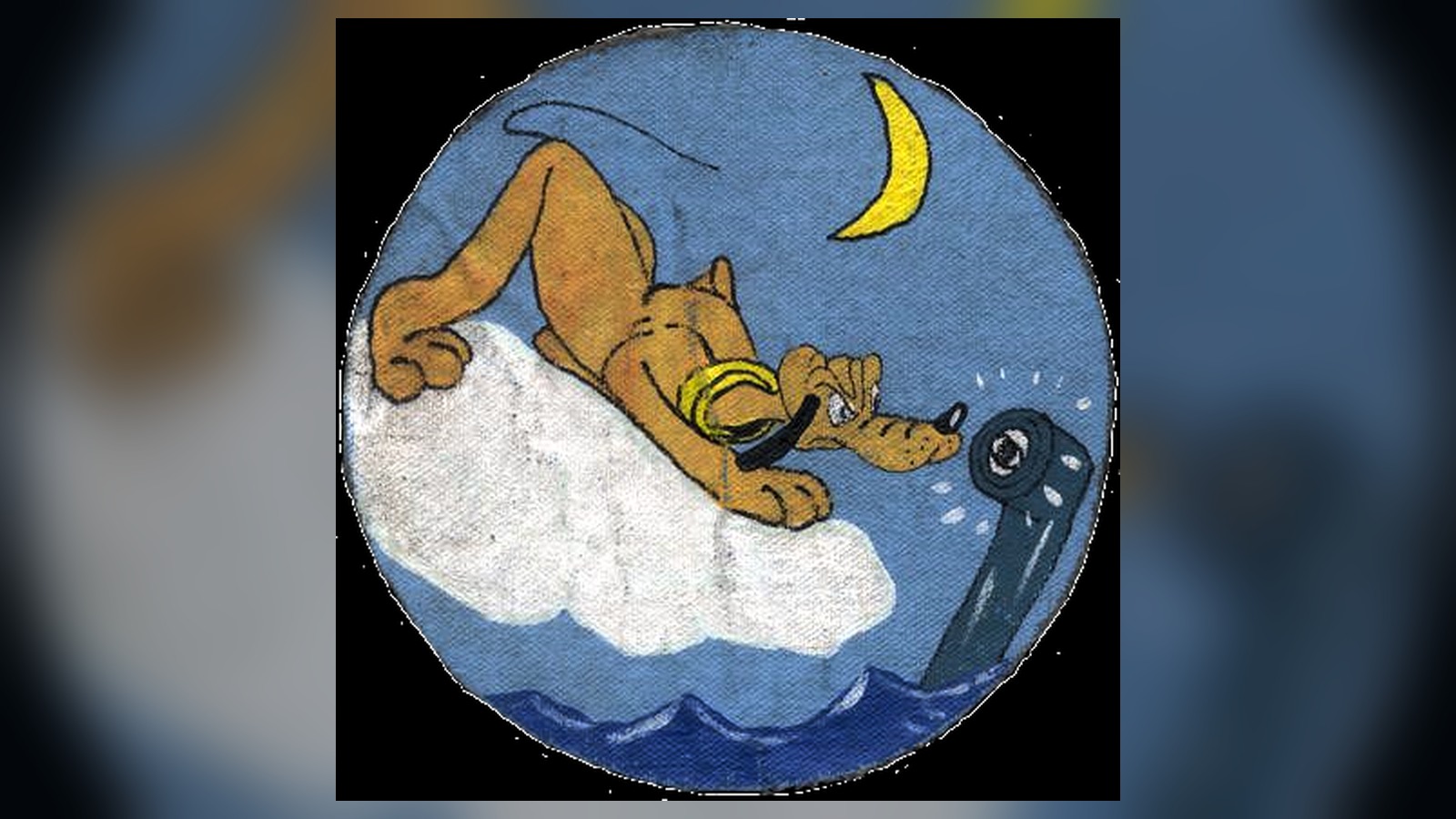
Walt Disney artists created hundreds of military insignia that combined popular characters with unit identity and wartime purpose. Military units requested designs that could make aircraft, jackets, signs, and paperwork immediately recognizable. Disney artists supplied characters ranging from familiar animated figures to newly invented animals and symbols, often working without charge to the services.

In depth
The story behind the display
The designs joined entertainment culture with military organization. They boosted morale and group identity, but they also show how commercial imagery, humor, and mass communication became embedded in the visual language of total war.
Details that tell the story
Disney artists produced insignia for many Allied units · Designs appeared on aircraft and clothing · Characters expressed unit roles and identity · Popular culture became part of wartime visual communication
Aircraft change the battlefield
In the First World War, aircraft became valuable because they could see beyond the front line. Reconnaissance and artillery observation affected decisions on the ground. Once that information mattered, opposing forces had reason to attack the aircraft gathering it. Fighters, defensive armament, and increasingly specialized missions developed around this contest over observation and freedom of movement.
The aircraft were fragile by later standards, but their crews worked inside a rapidly expanding military system. Training, maintenance, replacement aircraft, photography, communications, and weather reporting supported each sortie. Improvements in engines and armament changed tactics, while the pressures of combat exposed weaknesses that might have taken much longer to discover in peacetime.
Personal stories should be read alongside those systems. A uniform or a named aircraft connects the war to an individual, but the individual depended on many others and operated under constraints that skill could not eliminate. Aircraft from opposing sides show how designers answered similar problems in different ways. The later military collections in Dayton and at Udvar-Hazy reveal what endured: the need to gather information, protect friendly forces, move people and supplies, and coordinate action across distance. The scale changed enormously; the relationship between an aircraft's design and the job it had to perform remained fundamental.