Air Force Museum
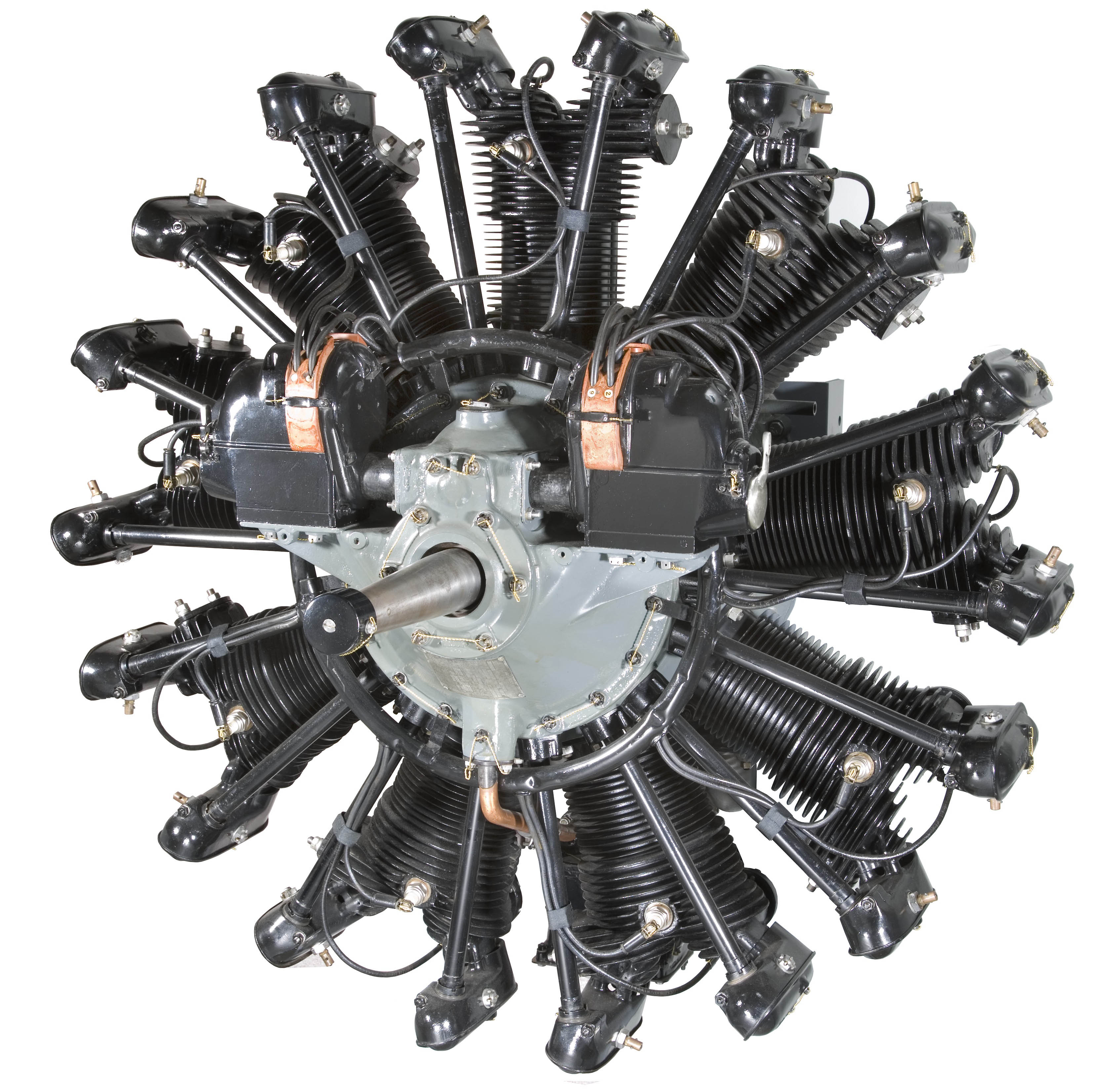
Wright R-2600 Cyclone 14
The R-2600 series engine was introduced in 1939, initially rated at 1,500 hp. With improvements, it later reached a rating of 1,800 hp. In military use, it was used on Army Air Forces A-20s and B-25s as well as some Navy torpedo and patrol bombers. It also gained fame powering the well-known Boeing Model 314 Clipper, which offered transoceanic passenger service beginning in 1939.
In depth
History & service
The R-2600 series engine was introduced in 1939, initially rated at 1,500 hp. With improvements, it later reached a rating of 1,800 hp. In military use, it was used on Army Air Forces A-20s and B-25s as well as some Navy torpedo and patrol bombers. It also gained fame powering the well-known Boeing Model 314 Clipper, which offered transoceanic passenger service beginning in 1939. After the end of World War II, the R-2600 was superseded by larger radial engines.
The aircraft in figures
Type: 14-cylinder, two-row, air-cooled radial · Displacement: 2,604 cu.in. · Maximum rpm: 2,600 · Maximum hp: 1,700 · Weight: 1,980 lbs. · Cost: $16,500
Power that could be carried into the sky
An aircraft engine must do more than make power. It has to produce useful power for its weight, keep running as conditions change, and survive sustained vibration and heat. Cooling, lubrication, fuel delivery, and the strength of moving parts are therefore central to its history. The engine's shape also influences the rest of the aircraft: frontal area affects drag, cooling systems add weight, and the location of fuel and oil changes the arrangement of the airframe.
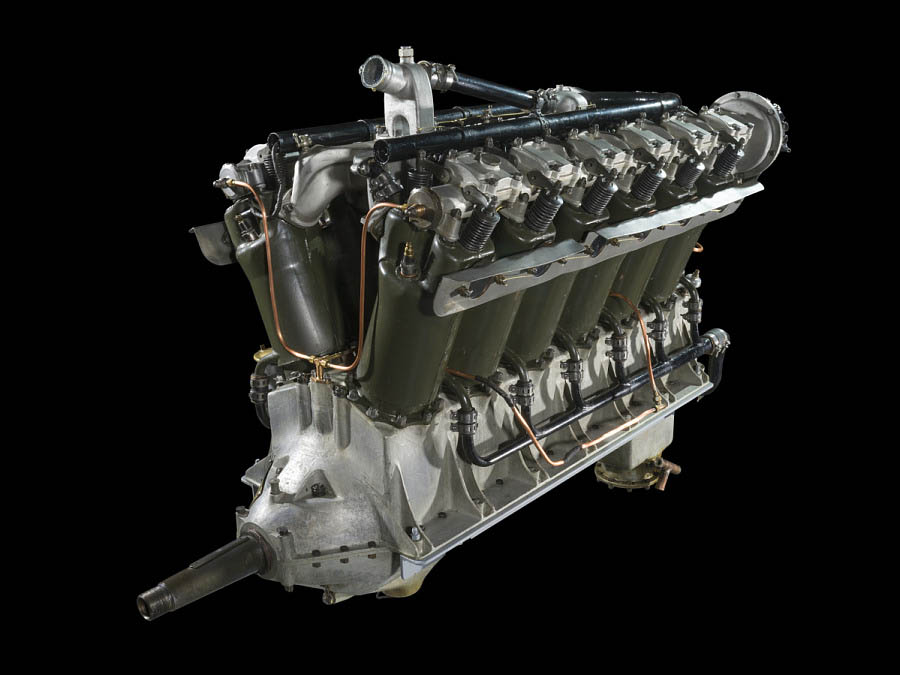
Early designers explored several answers. Inline and V engines could offer a narrow installation, often with liquid cooling. Radial engines arranged cylinders around the crankshaft and made good use of passing air for cooling. In a rotary engine, the cylinders themselves revolved with the propeller, a solution that helped cooling but brought distinctive handling and lubrication problems. These were competing engineering choices, not simply steps on one inevitable ladder.
Reliability changed aviation as profoundly as peak horsepower. A dependable engine supported longer routes, safer training, and more regular commercial operations. Wartime production demanded another kind of reliability: factories had to build many engines to consistent standards, and mechanics had to keep them serviceable far from those factories. Seen together, the engines in these museums connect spectacular flights to the less celebrated work of metallurgy, testing, maintenance, and manufacturing.