National Mall
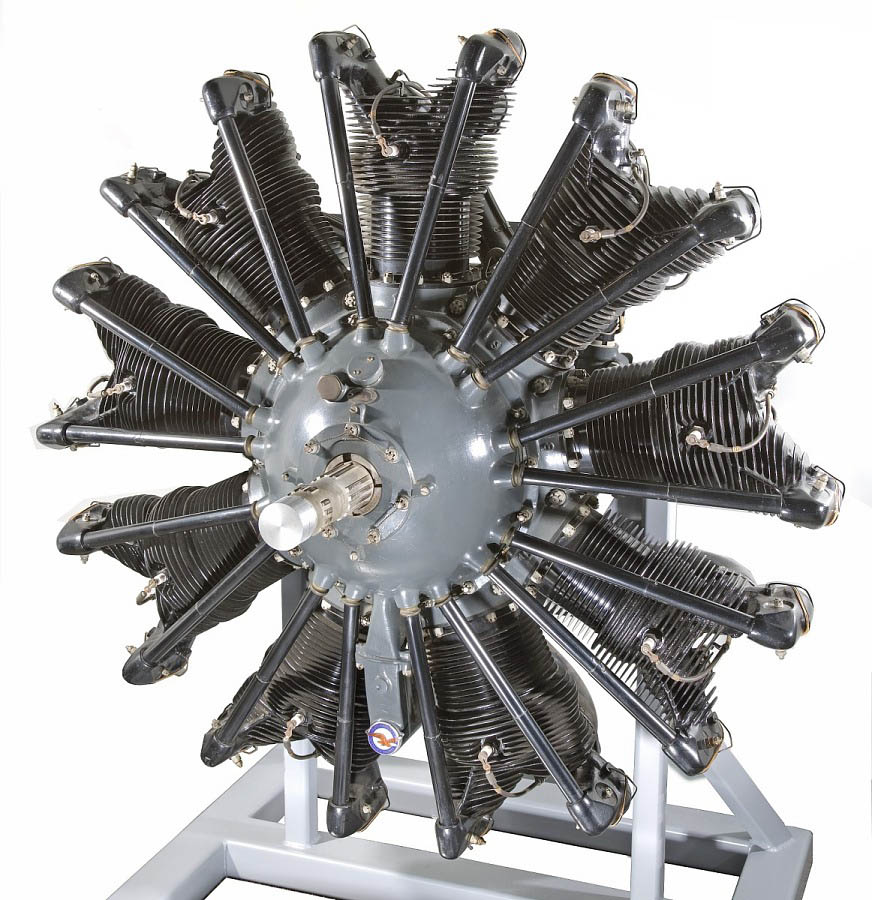
Pratt & Whitney Wasp
Frederick Rentschler and his engineering team left Wright to develop a stronger air-cooled radial. Their Wasp became a dependable engine for aircraft such as the Ford Tri-Motor. The Wasp story connects engineering judgment with entrepreneurship. Its creators assembled people, workspace, manufacturing, and investment around a design their former company would not pursue.
In depth
Organization can unlock technology
Pratt & Whitney's formation shows that firms allocate attention and risk. The Wasp's success emerged from technical choices plus the willingness to create a new organization capable of producing, testing, and supporting it.
Power that could be carried into the sky
An aircraft engine must do more than make power. It has to produce useful power for its weight, keep running as conditions change, and survive sustained vibration and heat. Cooling, lubrication, fuel delivery, and the strength of moving parts are therefore central to its history. The engine's shape also influences the rest of the aircraft: frontal area affects drag, cooling systems add weight, and the location of fuel and oil changes the arrangement of the airframe.
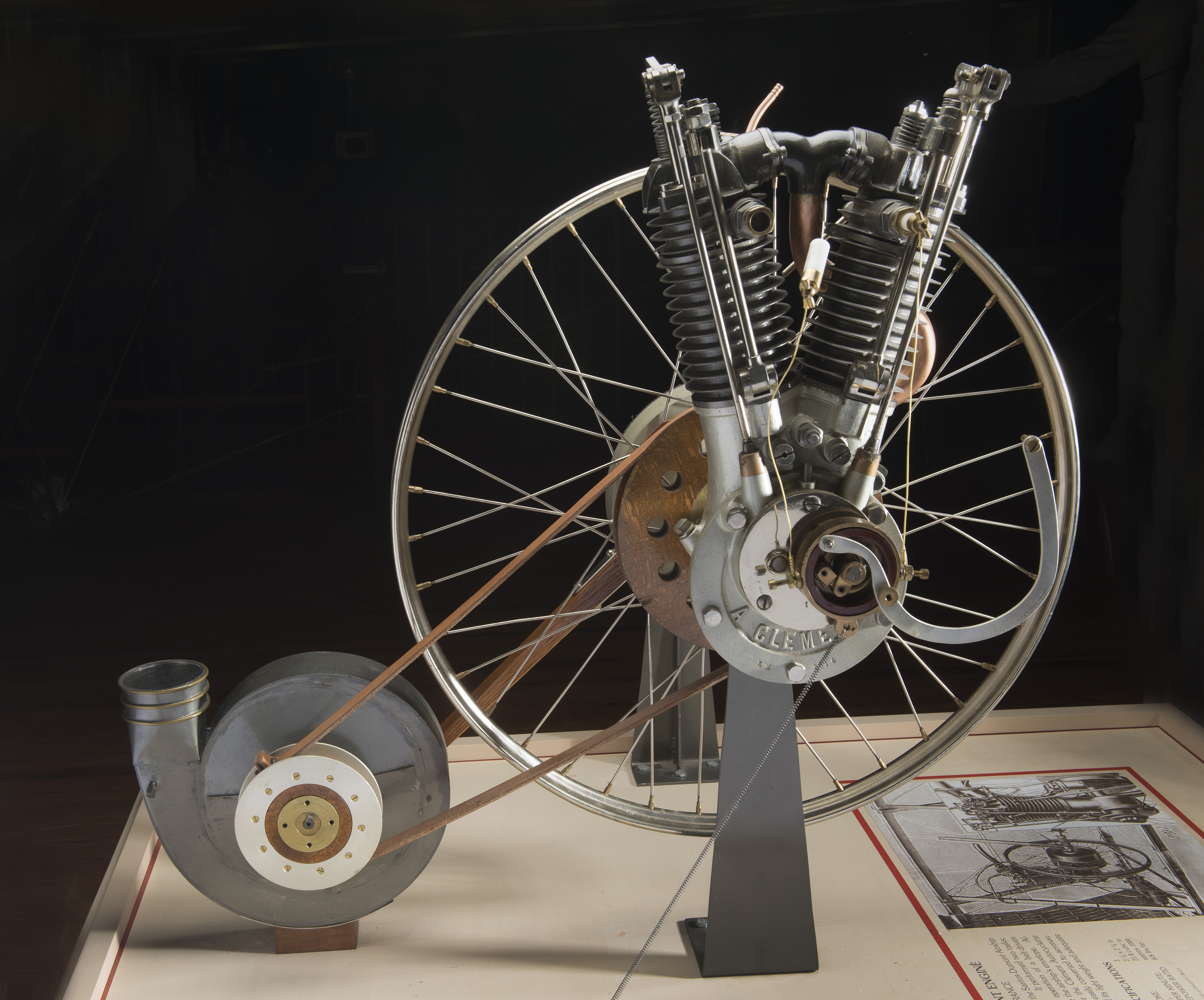
Early designers explored several answers. Inline and V engines could offer a narrow installation, often with liquid cooling. Radial engines arranged cylinders around the crankshaft and made good use of passing air for cooling. In a rotary engine, the cylinders themselves revolved with the propeller, a solution that helped cooling but brought distinctive handling and lubrication problems. These were competing engineering choices, not simply steps on one inevitable ladder.
Reliability changed aviation as profoundly as peak horsepower. A dependable engine supported longer routes, safer training, and more regular commercial operations. Wartime production demanded another kind of reliability: factories had to build many engines to consistent standards, and mechanics had to keep them serviceable far from those factories. Seen together, the engines in these museums connect spectacular flights to the less celebrated work of metallurgy, testing, maintenance, and manufacturing.