Udvar-Hazy
Piper J-3 Cub
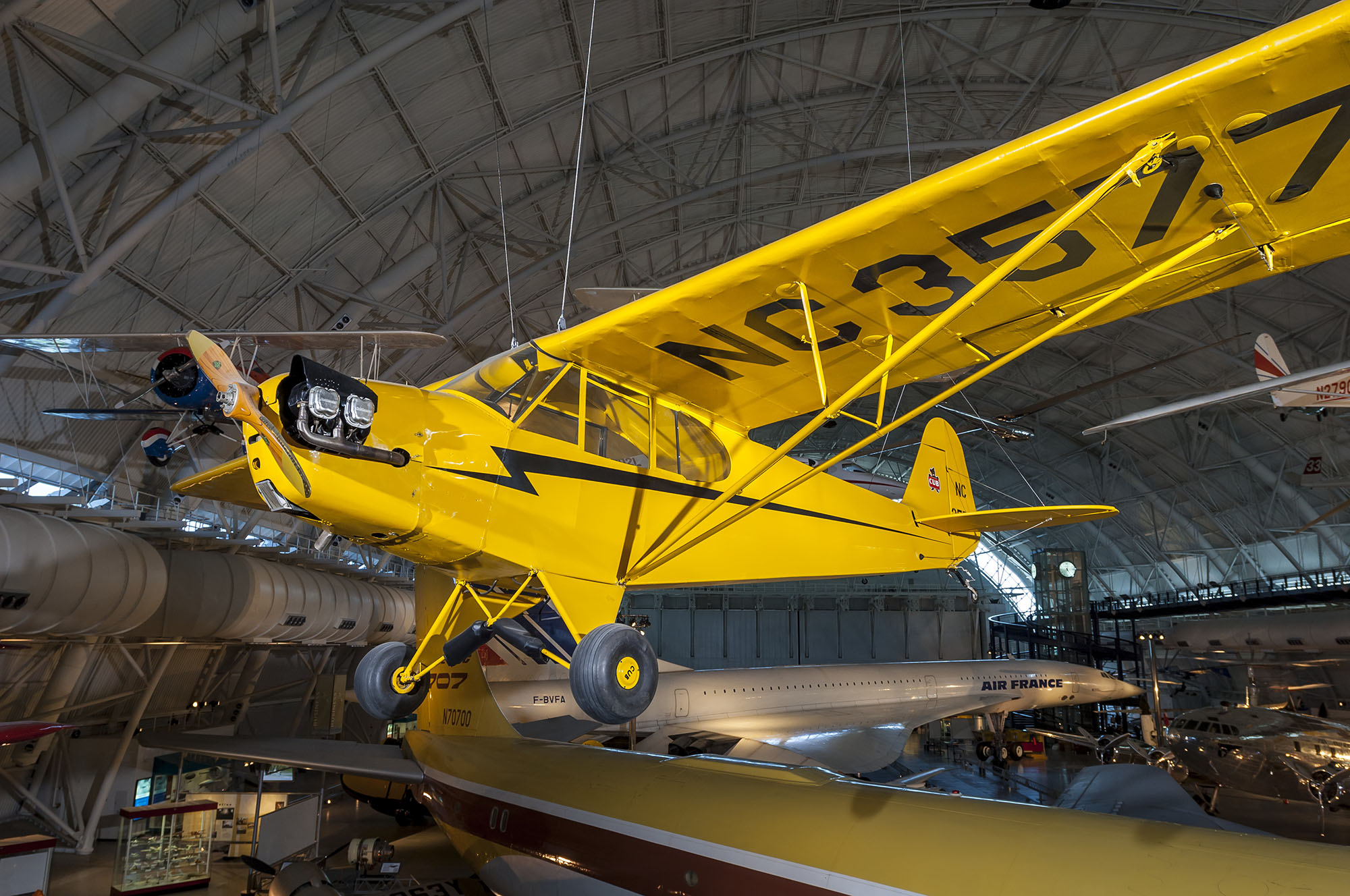
The yellow Piper Cub helped generations of people become pilots. It was small, straightforward, and well suited to learning the feel of an airplane. Cubs served personal flying, sport flying, and wartime pilot preparation. This example accumulated more than 6,000 flying hours before restoration. Its importance is easy to overlook beside faster aircraft: aviation also depends on the simple machines that give people their first confident moment at the controls.
In depth
A familiar airplane at a small field
The J-3 appeared in 1938, developing from earlier Taylor and Piper designs. Its high wing, tandem seating, and tailwheel configuration became instantly recognizable. The aircraft’s reputation spread through flight training and personal ownership rather than record-breaking performance.
For a new pilot, a responsive but uncomplicated aircraft can make the relationship between control movement and flight behavior easier to understand. The Cub’s modest speed also made the surrounding landscape a close, immediate part of the experience.
A national need for pilots
Cubs played a major role in the Civilian Pilot Training Program. Large numbers of Americans encountered flying through that effort, which helped expand the pool of aviation experience during the years around World War II.
The military significance was indirect as well as practical. A nation’s aviation capacity includes people with basic skills, local airfields, instructors, mechanics, and manufacturers able to supply dependable machines. A small trainer belongs within that story just as much as a front-line fighter.
Thousands of hours, thousands of decisions
Built in 1941, this Cub logged more than 6,000 hours before its 1975 restoration. Those hours represent takeoffs, landings, maintenance, weather judgments, and countless small acts of aircraft handling. An apparently simple object can contain an extensive working life.
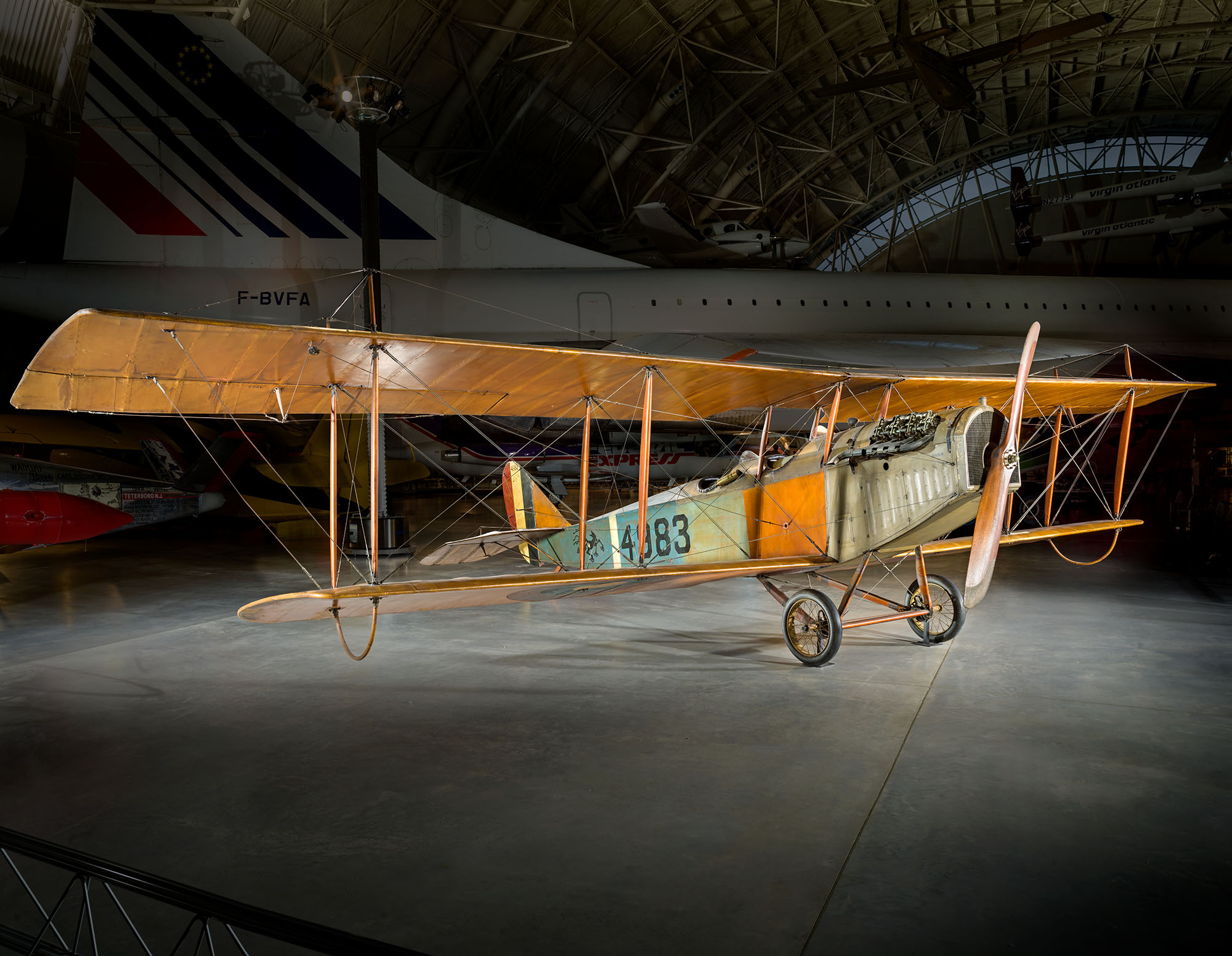
Compare it with the Jenny. Both became deeply familiar to the public because they made flying accessible at a particular moment in history. Their influence is measured partly in the people they encouraged: future professional pilots, recreational flyers, and spectators who came to see aviation as something they could participate in themselves.