Udvar-Hazy
Curtiss JN-4D Jenny
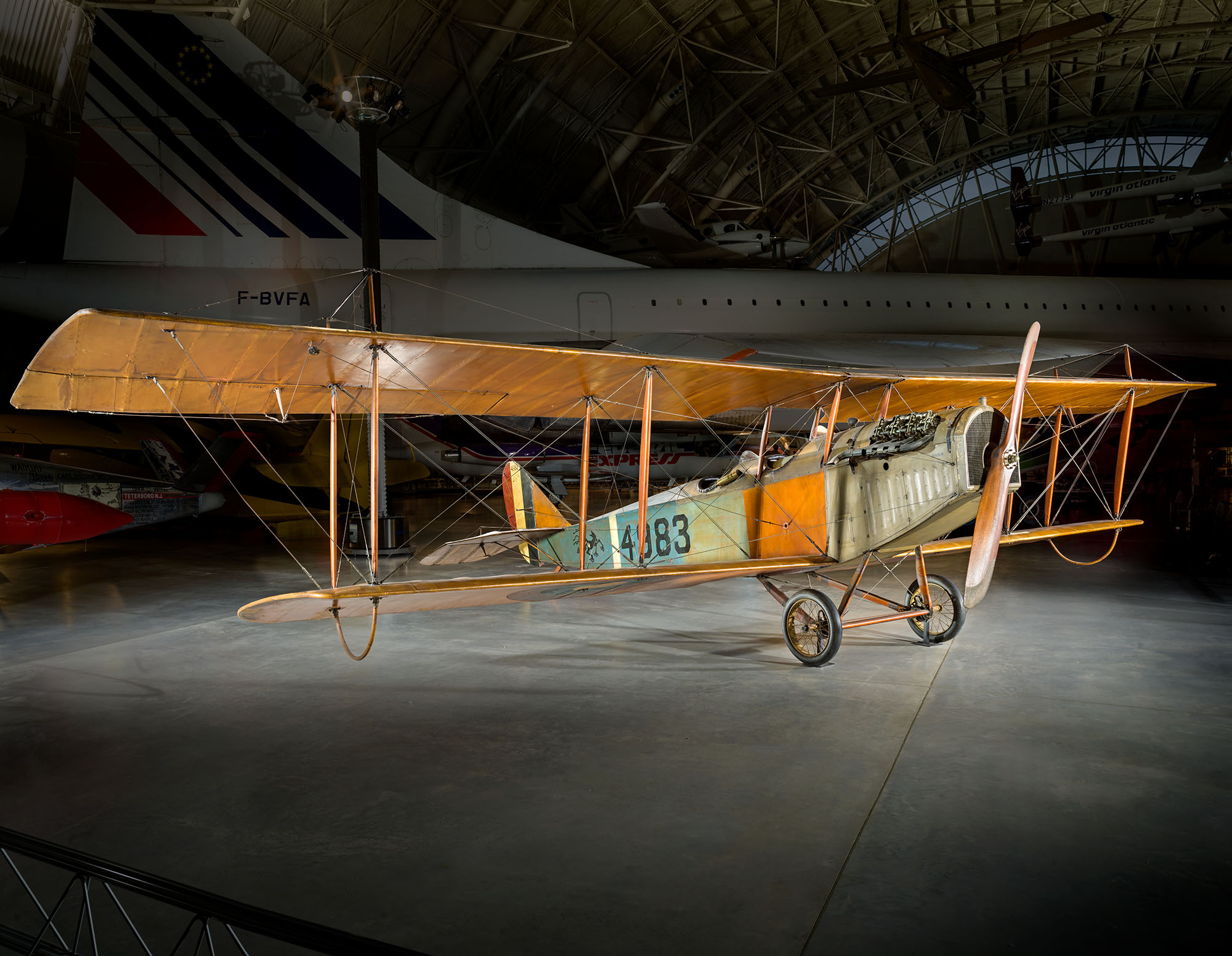
For many Americans in the 1920s, an airplane meant a Jenny. The Curtiss JN-4 trained pilots during World War I, then inexpensive surplus aircraft helped launch barnstorming across the country. A field could become a temporary airport, and a short ride could give someone a first view of home from the sky. The Jenny’s greatest influence came through the many people it introduced to flying.
In depth
Before the crowd, the training field
The JN-4D emerged during World War I as the United States expanded its flying services. Training required an aircraft in which an instructor and a new pilot could work together, building the habits needed to operate a machine in three dimensions.
The open cockpits and visible bracing make the Jenny’s era easy to read. The pilot sat close to the wind, the engine, and the structure. Flying demanded attention to the aircraft’s response rather than the layers of electronic assistance familiar in later machines.
Surplus aircraft create an opportunity
After the war, large numbers of inexpensive Jennys became available. Former military aircraft moved into civilian hands and helped support traveling performances, passenger rides, and mail carrying. The machine had been built for one national need and found another life through people willing to use it in new ways.
Barnstorming brought aviation to communities far from major airports. For spectators, the airplane was no longer only a distant newspaper story. They could see it land, speak with a pilot, and sometimes buy a ride. That direct encounter helped make flight part of everyday imagination.
Familiarity can be more influential than a record
The Jenny was not remembered chiefly for extreme speed or altitude. Its affordability, adaptability, and widespread use gave it a different kind of importance. It helped establish a population of pilots, passengers, mechanics, and enthusiasts who would support aviation’s growth.
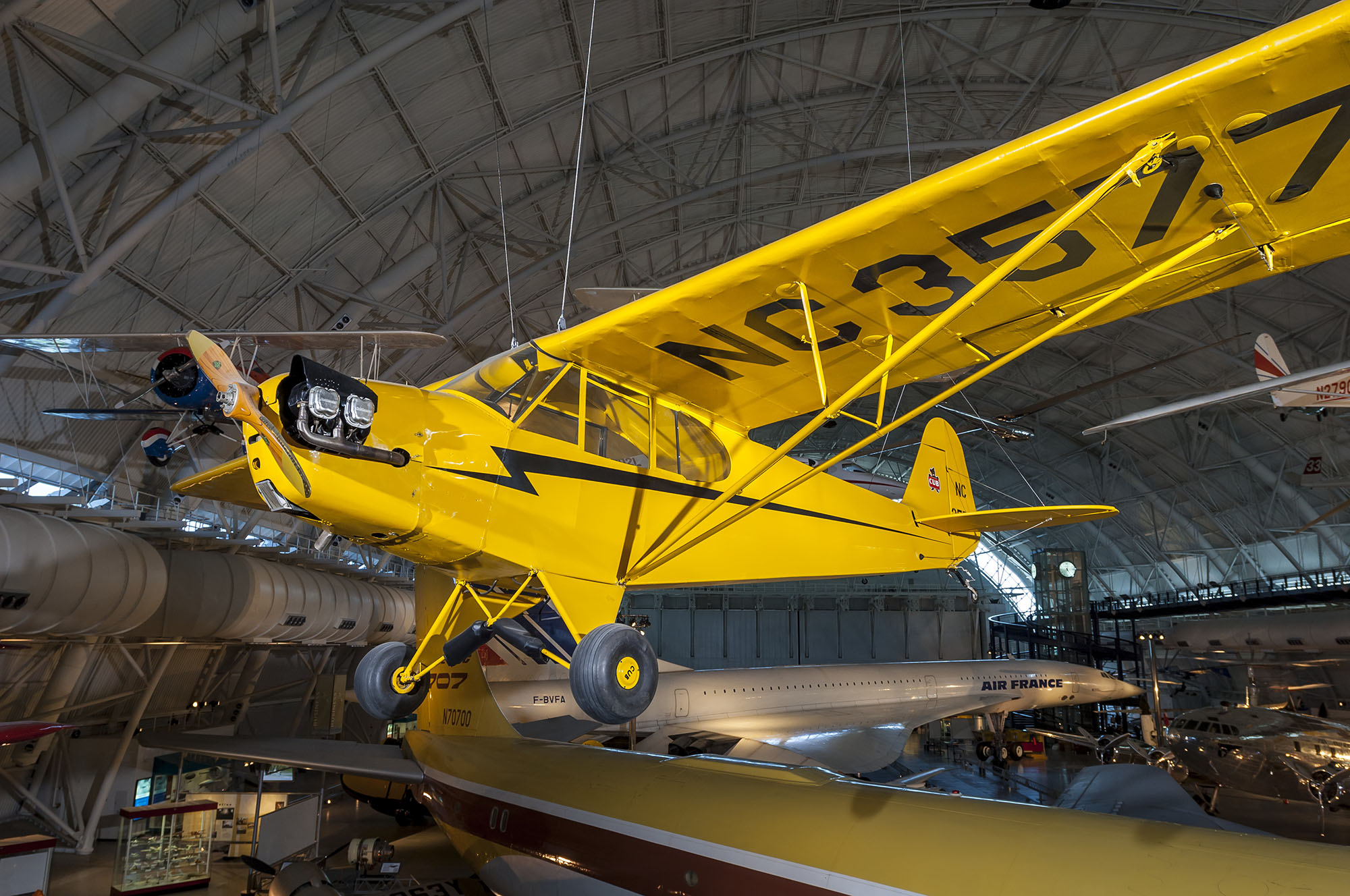
The museum acquired this example directly from the War Department in 1918. Compare it with the Piper Cub, another aircraft whose influence spread through training and personal experience. Both demonstrate how an approachable airplane can change aviation by bringing more people into it.