Udvar-Hazy
Sport Aviation
Sport aviation is flying for the experience itself. It includes gliders, homebuilt aircraft, ultralights, and familiar personal airplanes. Some pilots enjoy a quiet journey; others pursue new designs or demanding performance. This part of aviation keeps invention close to individual people, workshops, and airfields. The variety of machines reflects the variety of reasons people want to leave the ground.

In depth
The mission can be enjoyment
Military and airline aircraft are usually judged against tightly defined operational needs. Sport aircraft can begin with a more personal purpose: an enjoyable flight, an efficient touring machine, a construction project, or a new design idea. That flexibility encourages diversity.
It does not remove engineering discipline. A personally built aircraft still has to balance weight, strength, control, performance, and practical operation. Freedom in the choice of mission creates different tradeoffs rather than eliminating them.
Builders can become experimenters
Homebuilt aviation gives individuals and small teams room to explore materials, configurations, and construction methods. Burt Rutan’s VariEze is one influential example of that culture. Its unconventional appearance makes the willingness to reconsider familiar arrangements visible.
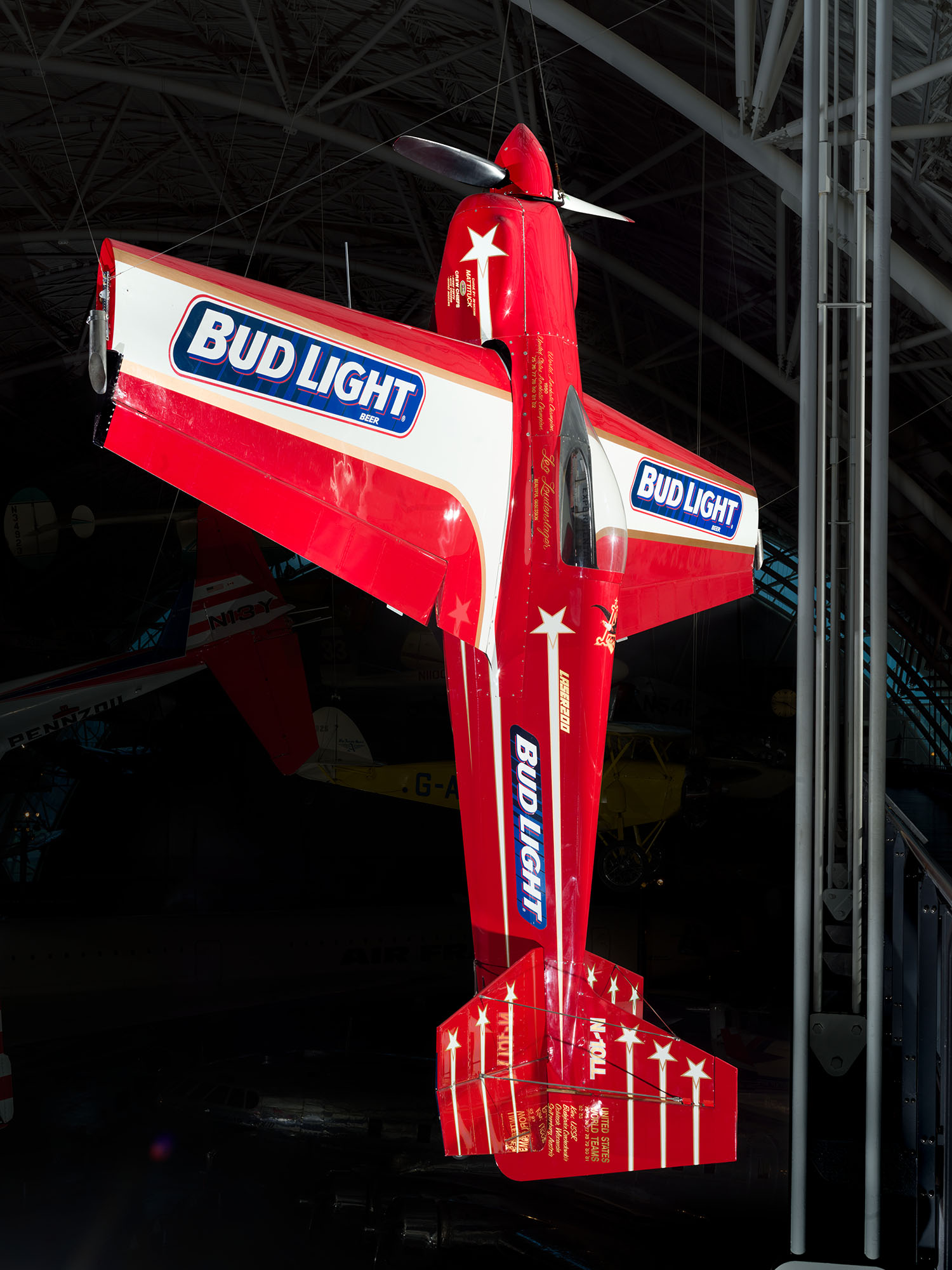
The Laser 200 tells a related story through repeated modification. Loudenslager used experience at the controls to improve the machine, connecting design decisions directly with the sensations and demands of flight.
A broad community keeps flying alive
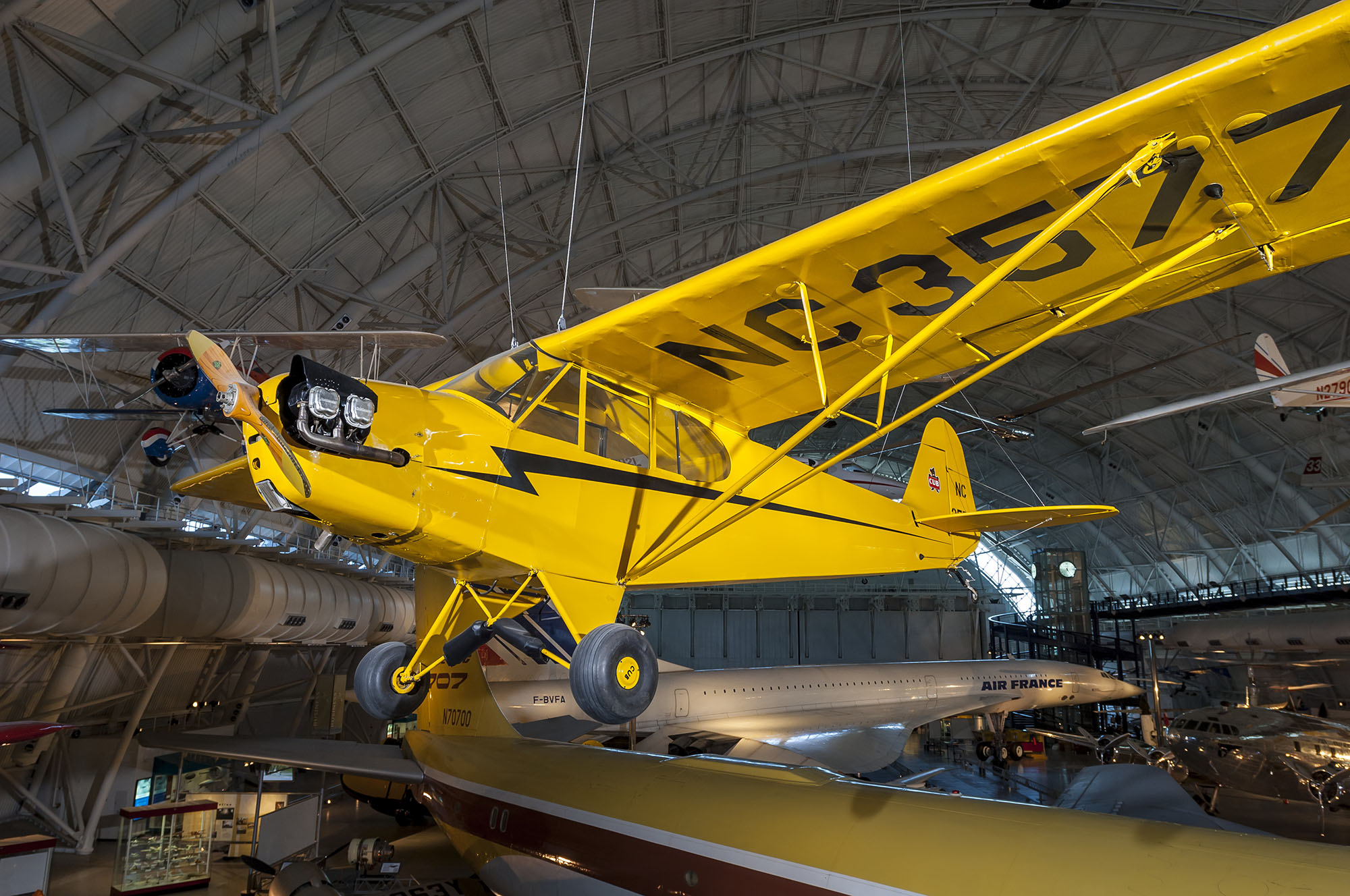
Clubs, fly-ins, restoration projects, and local airfields support the exchange of knowledge across generations. The Cub, ultralights, and aerobatic aircraft belong to overlapping communities rather than isolated categories. Their shared contribution is participation: people learning a machine, caring for it, improving it, and finding satisfaction in using it well.