Udvar-Hazy
Ultralight Aircraft
Ultralights strip flying down to a small, light machine and a close connection with the air. The modern movement grew partly from hang-glider pilots experimenting with small engines. These aircraft show how personal invention can open a new path into aviation. Their appeal comes from simplicity and direct experience, even though making a very light aircraft work well still requires careful design and judgment.

In depth
An idea returns in a new form
Light powered gliders appeared in experiments during the 1920s. Decades later, hang-gliding enthusiasts revisited the idea by adding small engines to aircraft built around light structures. John Moody’s public demonstration at Oshkosh in 1976 helped give the modern American ultralight movement wider attention.
The appeal was tangible: powered flight could be pursued with a machine far smaller and less elaborate than a conventional personal airplane. That changed who might imagine building or operating one.
Every pound has a consequence
A very light aircraft has limited capacity for structure, engine, fuel, and pilot. Adding convenience or power can require additional support, which adds more weight. Design becomes an exercise in choosing what the mission truly needs.
The pilot remains a substantial part of the total load. Weather and wind also become immediate operating considerations. A small machine can offer a vivid flying experience while leaving fewer resources for overcoming unfavorable conditions.
A culture of practical experimentation
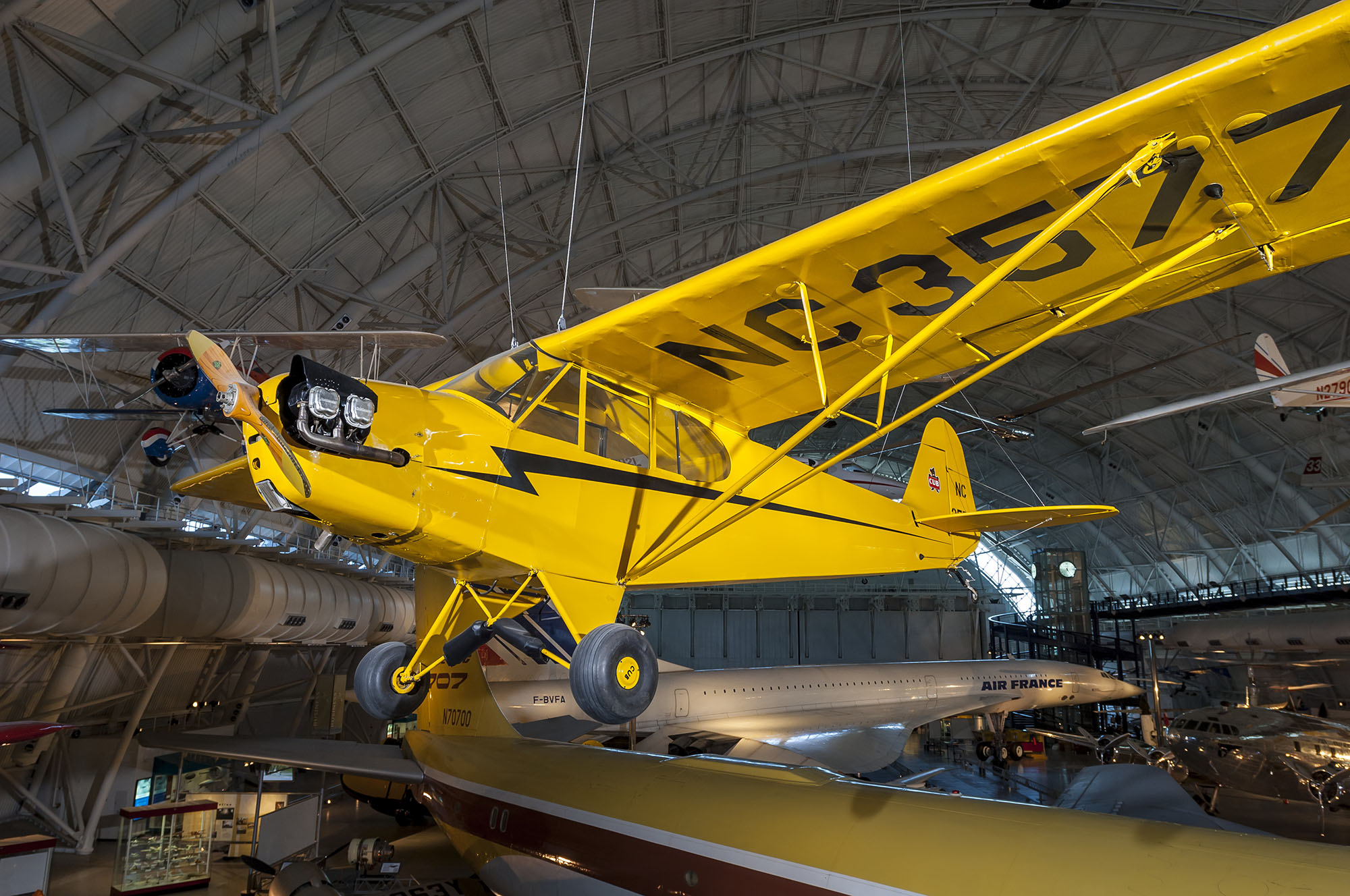
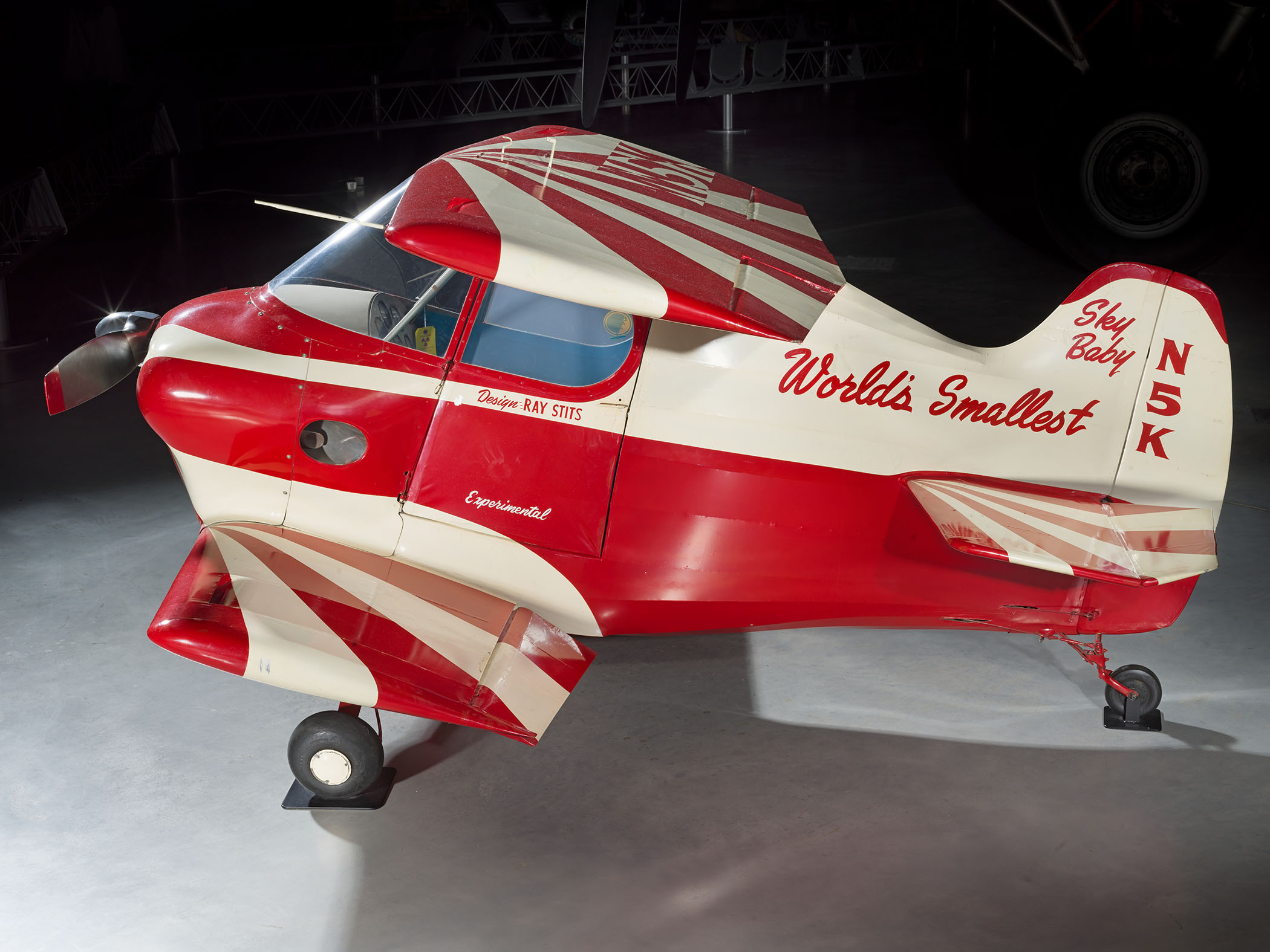
Ultralights connect aviation with home workshops, small manufacturers, clubs, and public gatherings where people exchange ideas. Compare their priorities with the record-seeking Sky Baby and the everyday Cub. All pursue small-scale flight, but for different purposes. The ultralight story is especially concerned with reducing the distance between wanting to fly and being able to participate.