Udvar-Hazy
Aerobatic Flight
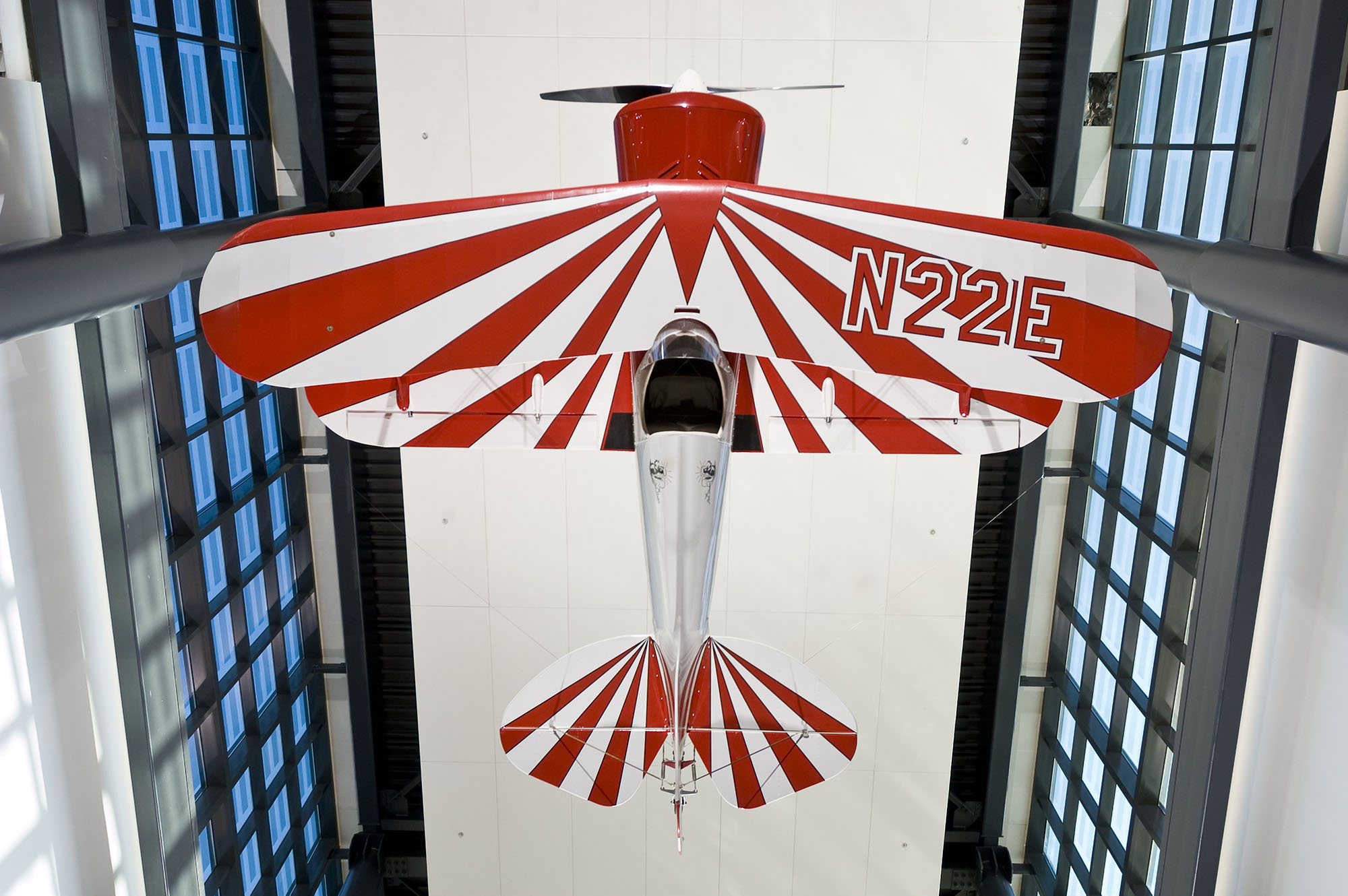
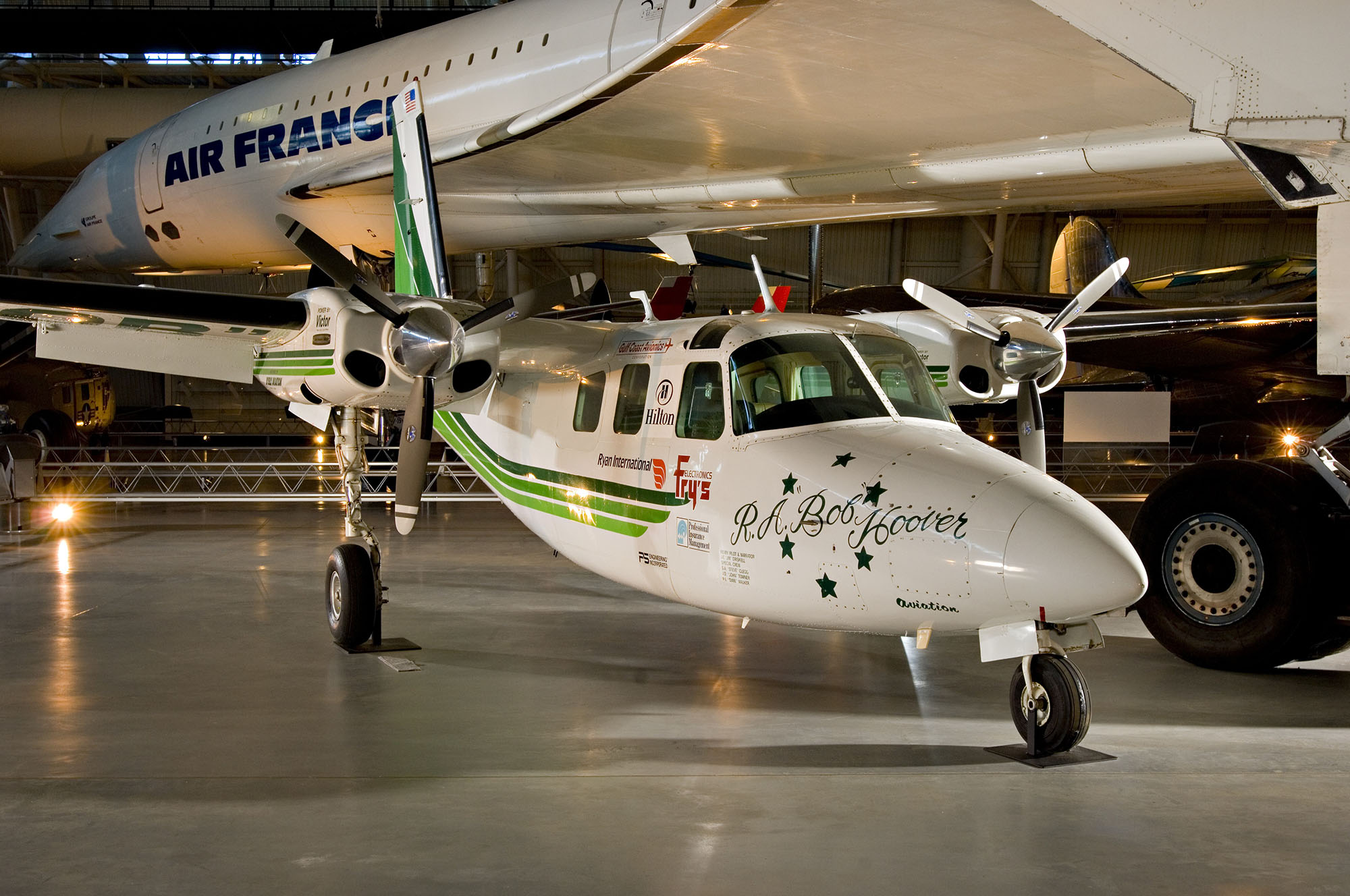
Aerobatics turns aircraft control into a visible performance. Loops, rolls, and carefully placed turns can look effortless, but they require precise judgment of speed, height, and load. This collection includes machines associated with Betty Skelton, Bob Hoover, Leo Loudenslager, and other remarkable pilots. Their aircraft reveal different routes to the same ambition: make a machine respond exactly as its pilot intends.

In depth
The aircraft and the pilot develop together
Some performers choose a responsive purpose-built aircraft. Others modify a design repeatedly or reveal unexpected capabilities in a conventional machine. Little Stinker, the Laser 200, and Hoover’s Shrike Commander represent those different relationships.
A useful aerobatic design must balance strength, weight, control response, and power. Rapid response can help a skilled pilot, but also increases the need for deliberate inputs. No single feature makes an aircraft a champion.
Energy links one maneuver to the next
An aircraft trades speed and altitude throughout a routine. Engines can add energy, while drag continually removes it. Hoover’s engine-off demonstration made that relationship especially clear: the sequence had to finish with enough speed, height, and position to land as intended.
Competition also demands repeatability. A dramatic maneuver must occur in the right place and with the intended shape. The visible performance is the final result of extensive preparation.
Personalities bring aviation to an audience
Names such as Little Butch and Little Stinker made aircraft memorable. The pilots’ public presence helped audiences connect with a technical activity they might otherwise find remote. These stories include championship victories and inspiration, but also accidents and demanding professional judgment. The lasting appeal lies in the combination of artistry, mechanical understanding, and disciplined skill.