National Mall
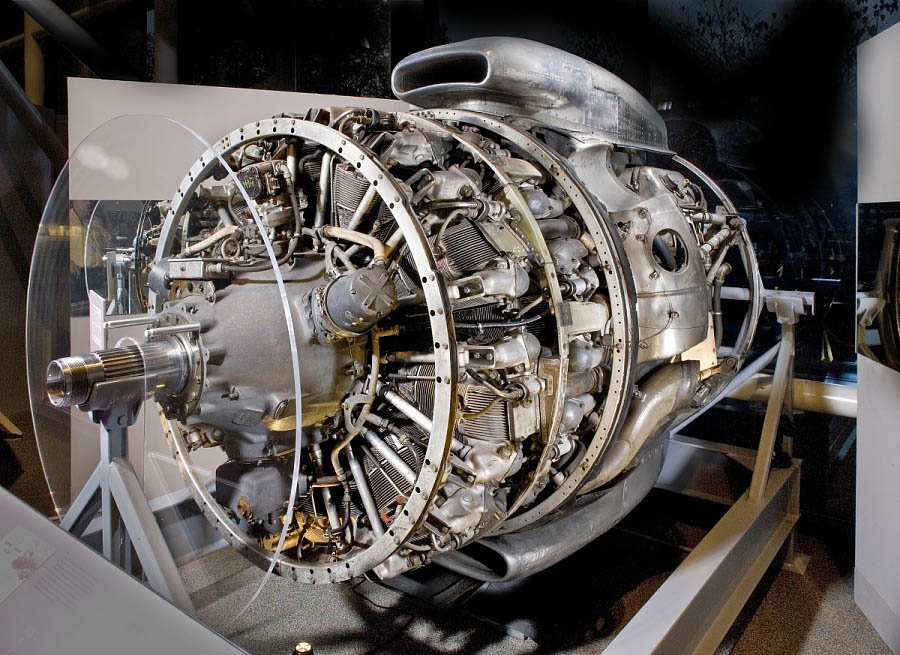
Wright R-3350 Turbo
The R-3350 Turbo Compound sent exhaust through turbines that helped turn the crankshaft. That recovered extra power, but the added machinery could make the engine harder to maintain. Power-recovery turbines improved fuel use and output, helping piston airliners fly demanding routes. Reliability problems could cancel those benefits when aircraft spent more time being repaired.
In depth
Twenty percent more power, more complexity
The Turbo Compound engine exposes the difference between component efficiency and fleet productivity. A technically efficient cycle may deliver lower economic value when failures, inspections, parts, and schedule disruption are included.
Power that could be carried into the sky
An aircraft engine must do more than make power. It has to produce useful power for its weight, keep running as conditions change, and survive sustained vibration and heat. Cooling, lubrication, fuel delivery, and the strength of moving parts are therefore central to its history. The engine's shape also influences the rest of the aircraft: frontal area affects drag, cooling systems add weight, and the location of fuel and oil changes the arrangement of the airframe.
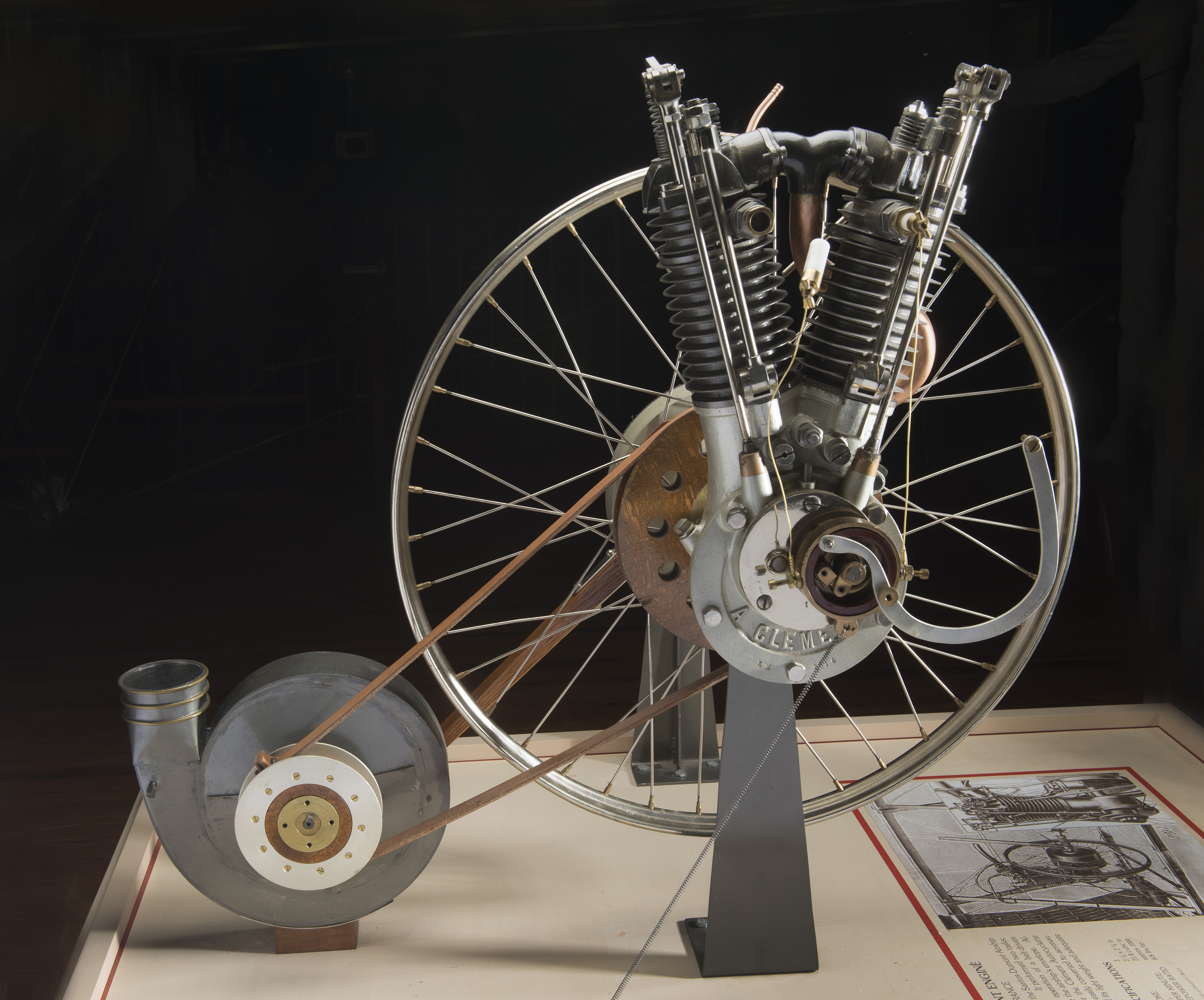
Early designers explored several answers. Inline and V engines could offer a narrow installation, often with liquid cooling. Radial engines arranged cylinders around the crankshaft and made good use of passing air for cooling. In a rotary engine, the cylinders themselves revolved with the propeller, a solution that helped cooling but brought distinctive handling and lubrication problems. These were competing engineering choices, not simply steps on one inevitable ladder.
Reliability changed aviation as profoundly as peak horsepower. A dependable engine supported longer routes, safer training, and more regular commercial operations. Wartime production demanded another kind of reliability: factories had to build many engines to consistent standards, and mechanics had to keep them serviceable far from those factories. Seen together, the engines in these museums connect spectacular flights to the less celebrated work of metallurgy, testing, maintenance, and manufacturing.