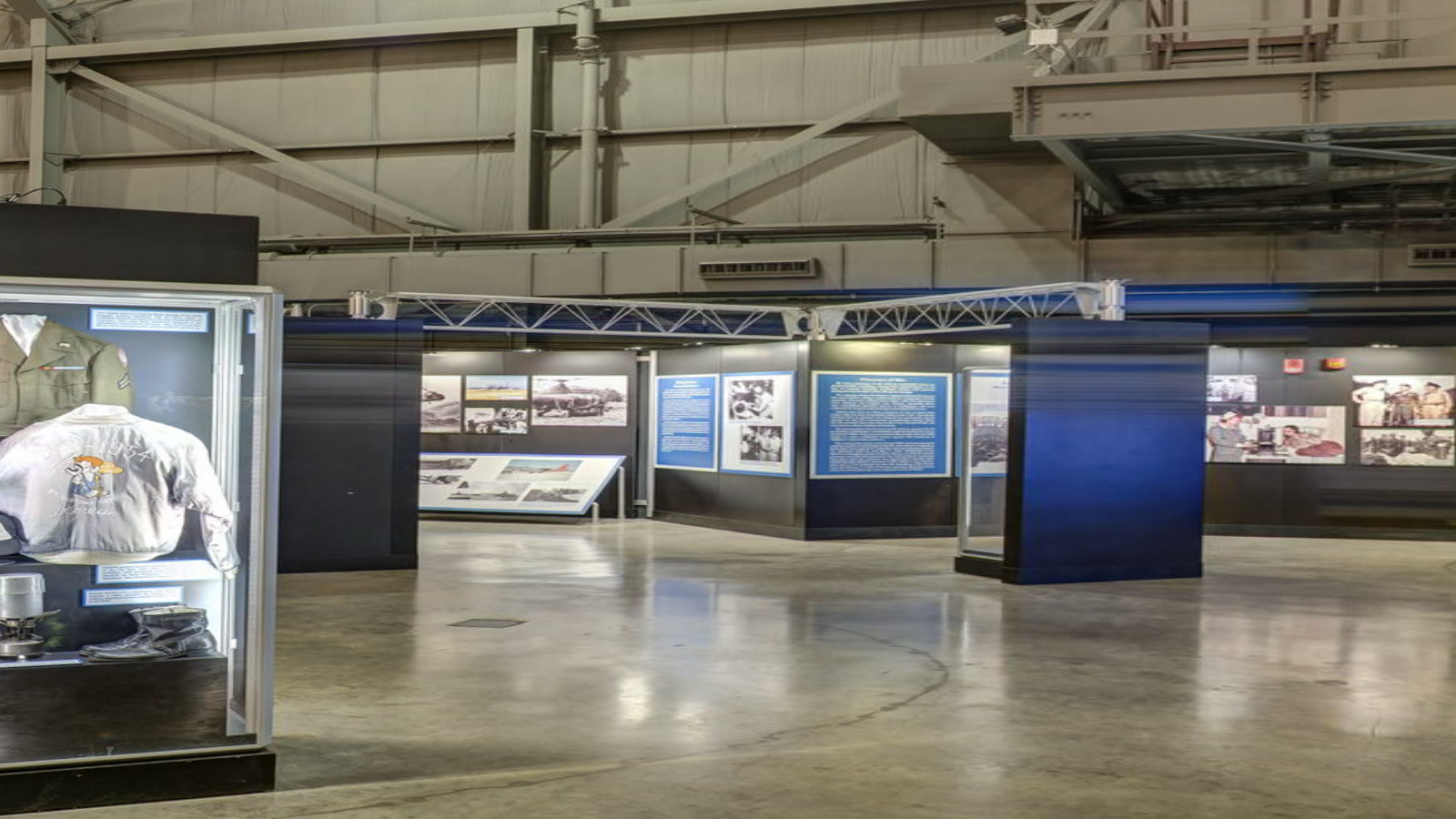
Air Force Museum
Women in the Southeast Asia War
Women served across medical, administrative, intelligence, communications, maintenance-support, and other essential roles while formal restrictions still narrowed opportunity. Nurses cared for casualties close to the war, and other Air Force women served across a growing range of specialties. Their work took place within policies that still barred women from many combat and aviation roles.
In depth
The story behind the display
Personal records reveal professional service alongside institutional limits. The experience of these women belongs to the history of the war and to the later expansion of military opportunity.
History & service
Hundreds of Air Force women served at bases in South Vietnam and Thailand, mostly performing “traditional” duties such as nursing and administrative work. Air Force flight nurses, many of them women, provided in-flight care to wounded personnel being evacuated.
During the war, several important changes in federal law opened new opportunities for women, including the removal of barriers on promotions and the number of women serving in the Air Force.
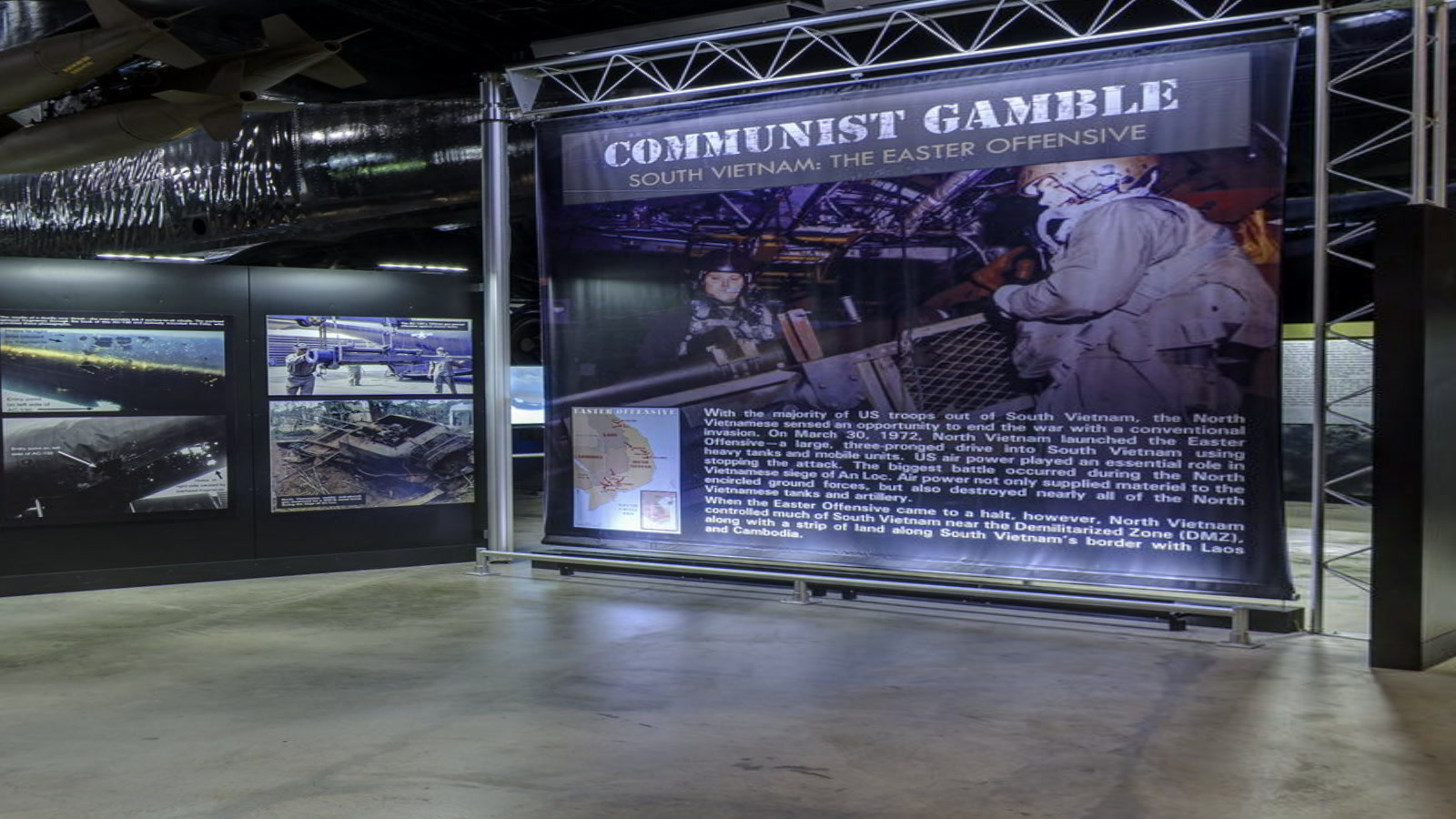
In 1975, South Vietnam collapsed as communist forces advanced from the north. Concerned for the safety of orphaned children, the United Nations’ South Vietnamese Ambassador appealed to the US to evacuate and resettle 2,000 Vietnamese children. On April 3, President Gerald R. Ford announced an evacuation operation would begin within 48 hours.
Over the course of the 13 day operation, Mobility Airlift Command organized 30 flights to remove 1,794 orphans from the hostilities in Vietnam. Operation Babylift was the first of several aerial evacuation missions that lasted until September 1975.
On April 4, the first military evacuation aircraft arrived at Ton Son Nhut Air Base, near Saigon. After unloading equipment from the C-5A, the aircrew and medical teams loaded 228 children ages 3 months to 10 years old, along with 120 US and Vietnamese adults. First Lieutenant Regina Aune, medical crew director for the aeromedical evacuation team, controlled the flow of children and reviewed each child’s condition before directing where to seat the child.
Older children sat in the downstairs cargo compartment, while the younger children were placed upstairs in the flight deck and troop compartment.
Within 15 minutes of takeoff, a locking mechanism on the rear cargo door failed allowing the cargo doors to blow open, causing rapid decompression and damaging the flight controls in the tail. Passengers and the children’s medical records located near the cargo doors were sucked out into the South China Sea.
The pilots turned the aircraft back towards Ton Son Nuht Air Base. However, the additional drag created by the landing gear reduced the aircraft’s air speed. Unable to maintain level flight, the crew prepared for a crash landing. After skidding to a stop two miles short of the runway, the surviving crewmembers and escorts started carrying children from the wreckage. While many of the crewmembers suffered from injuries, they transferred the crying orphans to rescue helicopters.
Lieutenant Aune, with a broken foot, compression fracture to her spine, puncture wound to the leg, and serious lacerations carried 80 children through mud and blowing debris before fainting. Another flight nurse, 1st Lt Harriet Goffinett, carried children in spite of her broken collarbone and immobile arm.
Details that tell the story
Women served in medical and many support specialties · Flight nurses participated in aeromedical evacuation · Policy excluded women from many combat roles · Vietnam-era service contributed to later institutional change
Service, skill, and the right to take part
Aviation has often been presented as a field open to anyone with enough skill and determination. The historical record is more complicated. Race, gender, money, institutional rules, and access to training shaped who could fly, maintain aircraft, receive commissions, or be recognized for their work. Those barriers were not separate from aviation history; they helped determine whose talents the field could use.
The people represented by uniforms, clothing, photographs, and personal equipment made achievements within those conditions. Their stories include technical proficiency and courage, but also persistence, organization, advocacy, and support from others. Military service could create opportunities while also exposing the contradiction between serving a country and being denied equal treatment within it.
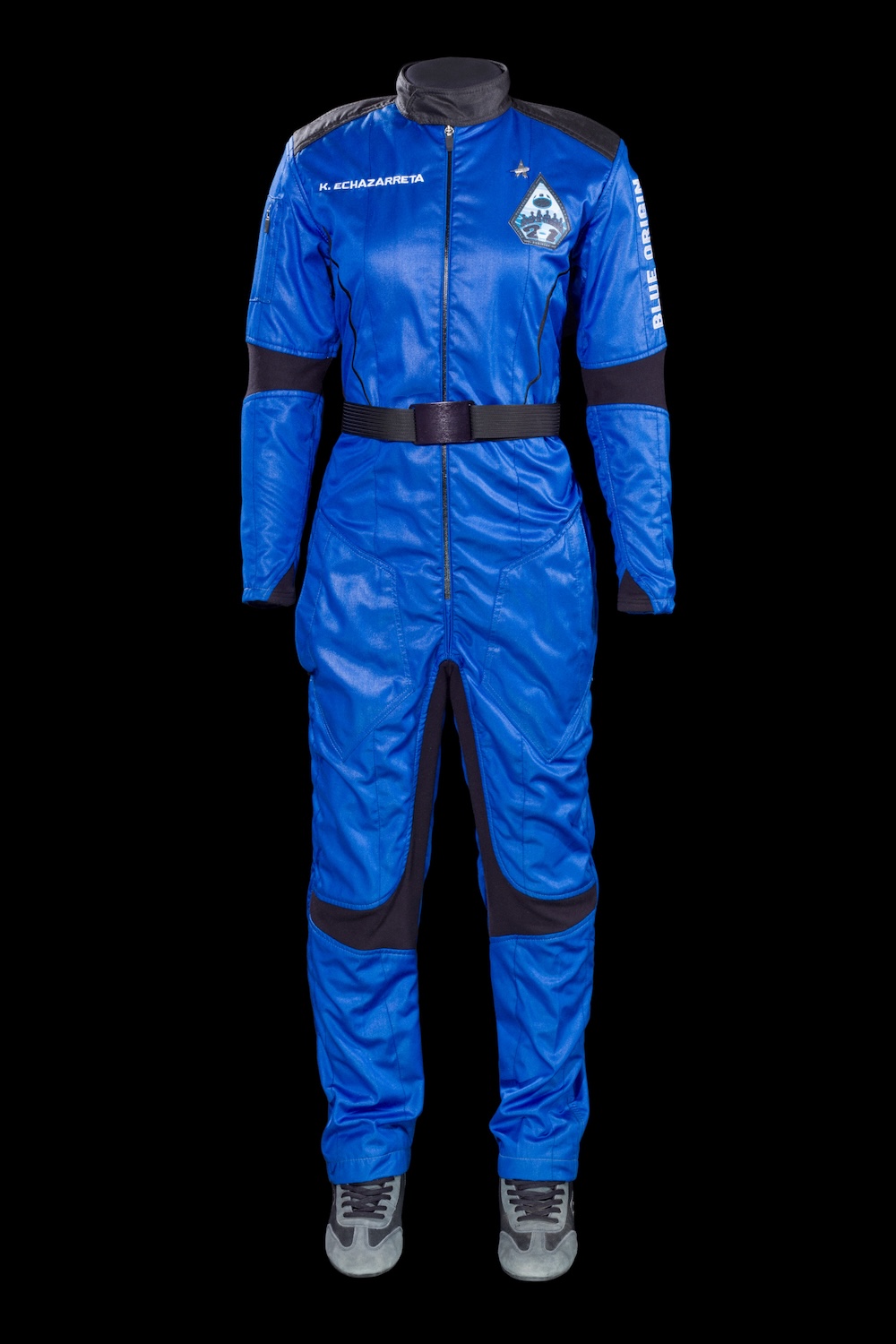
Individual milestones should therefore be connected to the wider community. Pilots relied on instructors, mechanics, administrators, medical personnel, and families. Changes in policy were influenced by public pressure and documented performance as well as by exceptional individuals. Moving between the civil and military galleries makes those connections visible. A flight suit, a scarf, a jacket, or a cockpit can mark both a particular career and a larger expansion of opportunity. The inspirational force of these objects grows when the difficulties are described accurately and the less visible contributors are included.