Air Force Museum
The Tuskegee Airmen
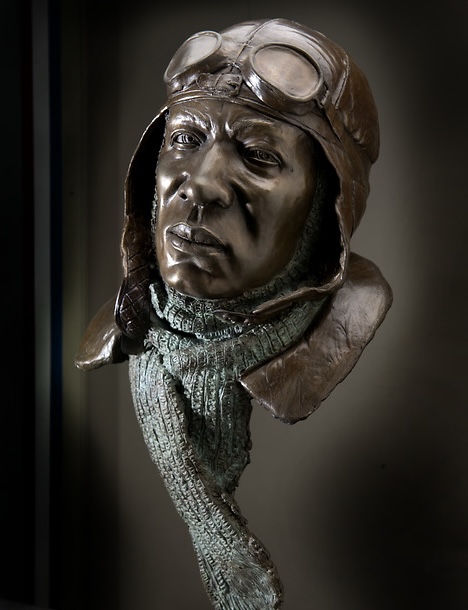
The Tuskegee Airmen trained and served within a segregated military, fought with distinction, and helped discredit racist claims used to deny Black Americans equal opportunity. The term Tuskegee Airmen includes pilots, mechanics, instructors, nurses, administrators, and many others connected with the Army Air Forces program centered in Tuskegee, Alabama. The 99th Fighter Squadron and 332nd Fighter Group flew combat missions in the Mediterranean and European theaters.
In depth
The story behind the display
Their record was achieved while discrimination shaped training, assignments, promotion, and daily life. Their success strengthened the case against segregation and became part of the longer struggle that led to the integration of the armed forces.
History & service
Reflecting American society and law at the time, the U.S. military remained racially segregated during World War II. Most African American soldiers and sailors were restricted to labor battalions or other support positions. One experiment in the U.S.
Army Air Forces, however, demonstrated conclusively that African Americans -- if given equal opportunities and training -- could fly in, command and support combat units as well as anyone. These men, known as the "Tuskegee Airmen," served with distinction in combat, and they contributed to the eventual integration of the U.S. armed services, with the U.S. Air Force leading the way.
Details that tell the story
Training centered at Tuskegee Army Air Field in Alabama · The 99th Fighter Squadron entered combat in 1943 · The 332nd Fighter Group flew bomber-escort and attack missions · The program included far more people than pilots alone
Service, skill, and the right to take part
Aviation has often been presented as a field open to anyone with enough skill and determination. The historical record is more complicated. Race, gender, money, institutional rules, and access to training shaped who could fly, maintain aircraft, receive commissions, or be recognized for their work. Those barriers were not separate from aviation history; they helped determine whose talents the field could use.
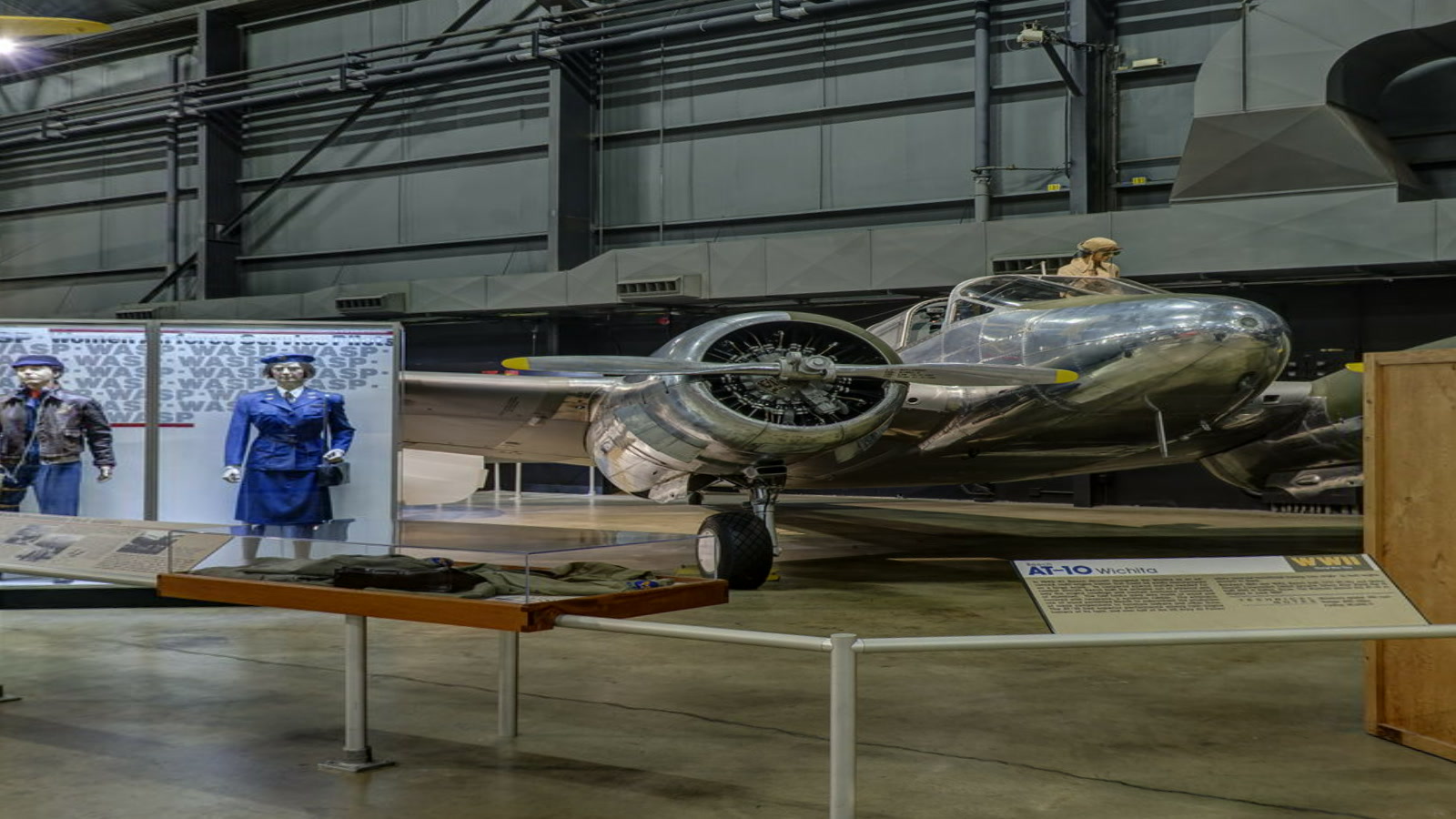
The people represented by uniforms, clothing, photographs, and personal equipment made achievements within those conditions. Their stories include technical proficiency and courage, but also persistence, organization, advocacy, and support from others. Military service could create opportunities while also exposing the contradiction between serving a country and being denied equal treatment within it.
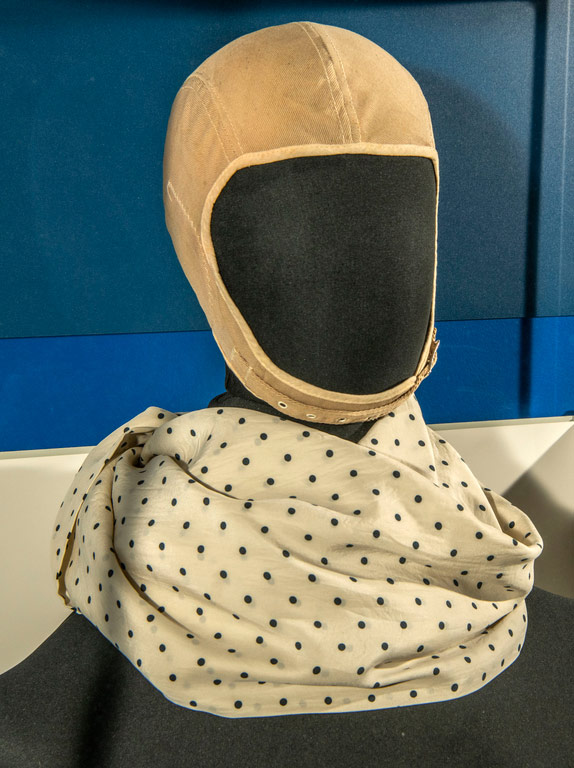
Individual milestones should therefore be connected to the wider community. Pilots relied on instructors, mechanics, administrators, medical personnel, and families. Changes in policy were influenced by public pressure and documented performance as well as by exceptional individuals. Moving between the civil and military galleries makes those connections visible. A flight suit, a scarf, a jacket, or a cockpit can mark both a particular career and a larger expansion of opportunity. The inspirational force of these objects grows when the difficulties are described accurately and the less visible contributors are included.